The electric vehicle (EV) revolution is moving faster than ever. At the center of this change lies the powertrain. We call the motor and gearbox housings the “heart” of the car. However, these parts are notoriously difficult to manufacture perfectly. This guide explores how our 4-axis CNC horizontal machining solutions conquer these challenges. We turn complex aluminum shells into high-precision masterpieces for your line.
1. The Challenge: Why EV Housings Are So Demanding
Modern EV housings feature a very specific personality. They must be incredibly light to save battery range. Consequently, designers create thin-walled structures with complex internal ribs.
These thin walls vibrate easily during high-speed cutting. Furthermore, you must machine multiple faces with extreme precision. If the bearing seats are misaligned, the motor fails. Therefore, you need a machine that respects these delicate geometries. You cannot treat an EV housing like a heavy engine block. It requires a balanced, sophisticated touch to maintain its shape.
2. The Horizontal Advantage: Gravity Is Your Friend
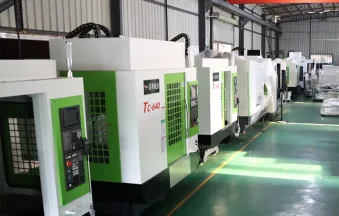
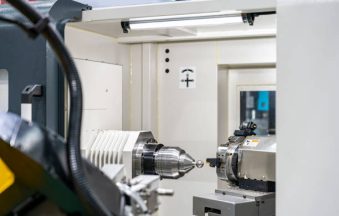
Vertical machines often struggle with chip accumulation inside deep cavities. When chips stay in the part, they ruin the surface. However, our 4-axis CNC horizontal machining solutions solve this naturally.
In a horizontal setup, chips simply fall away due to gravity. This “self-cleaning” action protects your critical sealing surfaces. Moreover, the horizontal spindle provides superior rigidity for aluminum milling. Because the chips exit quickly, the tool stays much cooler. Consequently, you achieve a mirror-like finish without extra polishing. Your production remains clean, fast, and remarkably consistent.
3. Fixture Wisdom: Protecting the Thin-Wall Soul
How do you hold a thin-walled part without crushing it? This is the most common question we hear. Standard hydraulic clamps can easily deform a motor housing.
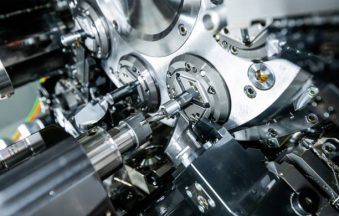
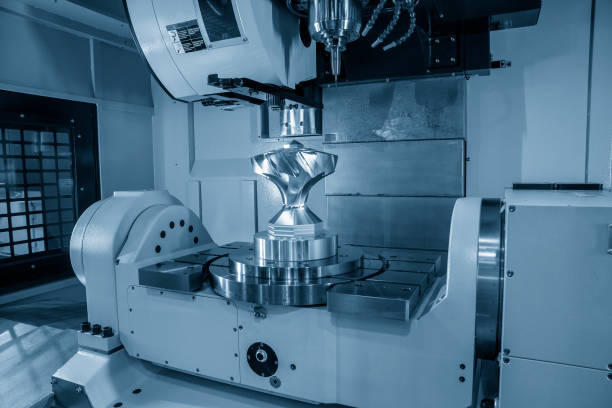
Therefore, we design “multipoint floating” fixtures for our clients. These fixtures support the part without applying excessive localized pressure. We use dampening materials to absorb harmonic vibrations during the cut. Furthermore, the 4-axis rotary table allows for “one-stop” clamping. You finish most faces in a single setup. This prevents the “clamping stress” from building up between operations. Thus, your part remains dimensionally perfect after it leaves the machine.
4. Cycle Optimization: Winning the War Against Seconds
In the EV world, every second of cycle time matters. Our 4-axis CNC horizontal machining solutions focus on reducing “dead time.” While the tool cuts on one side, the rotary table prepares the next.
We use high-speed pallet changers to keep the spindle running. Consequently, the machine never waits for the operator to load. Furthermore, 4-axis linkage allows for smoother tool paths around corners. You avoid the “stop-and-start” movements of 3-axis machines. This fluidity reduces tool wear and cuts cycle times by 30%. Therefore, you produce more “hearts” per shift with less energy.
Conclusion: Engineering the Future of Motion
The “heart” of the EV deserves the best possible home. Thin walls and high speeds require a specialist’s approach. Do not let outdated vertical setups slow your growth.
Experience the power of our 4-axis CNC horizontal machining solutions today. We bring clarity and speed to your most difficult housing. We turn “hard-to-make” into “ready-to-ship” for your brand. Let CHANSIN help you win the race to the future. Contact our engineering team for a custom process audit. Let’s build the next generation of electric mobility together.