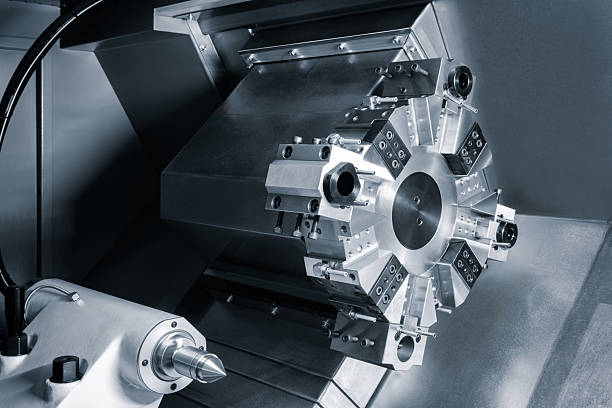
Choosing the right guide rail system is a fundamental decision for any factory. This choice determines the machine’s speed, precision, and heavy-cutting capability. However, many buyers struggle to choose between linear and box way designs. Each system carries a distinct “personality” and specific mechanical advantages. This guide compares these two essential paths for a modern CNC machining center. We help you select the ideal foundation for your unique production goals.
1. Comparing the “Personalities” of Rail Systems
Understanding the technical differences is the first step toward a smart investment.
| Feature | Linear Guide Way | Box Way (Hard Rail) |
| Rapid Speed | Fast (60m/min+) | Slower (~30m/min) |
| Precision | High (Micron level) | Medium (Affected by wear) |
| Rigidity | Medium | High (Heavy Duty) |
| Maintenance | Low (Easy swap) | High (Requires scraping) |
| Best For | Aluminum, Fine Molds | Cast Iron, Steel, Heavy Cuts |
2. Linear Rails: The High-Speed Precision Masters
Linear guide ways use rolling elements like balls or rollers within a track. These systems dominate the world of high-speed CNC machining center applications.
The Setup Advantages
Linear rails offer extremely low friction during movement. Consequently, the machine can achieve incredibly high, rapid traverse speeds. Furthermore, they provide excellent positioning accuracy for intricate mold work. They are perfect for lightweight materials like aluminum or copper. Therefore, they excel in the 3C electronics and medical device industries.
Simple Maintenance
Replacing a worn linear rail is a simple “unbolt and swap” process. Most modern units also feature long-term self-lubrication systems. Consequently, you spend less time on manual maintenance. This ensures your machine stays productive with minimal downtime.
3. Box Ways: The Heavy-Duty Powerhouses
Box ways consist of a solid casting with a wide sliding surface. These “hard rails” provide a massive contact area between the moving parts.
Maximum Rigidity
The large surface area offers superior vibration damping during heavy cuts. Consequently, box ways handle massive steel or cast iron blocks easily. They are the “gold standard” for roughing operations in the energy sector. Furthermore, they resist the heavy impacts of interrupted cutting. Therefore, choose this for your CNC machining center if you prioritize raw power.
Craftsmanship and Durability
Professional technicians must manually scrape box ways for a perfect fit. While they require more oil, they offer a very long service life. As a result, they maintain structural integrity under extreme loads. They represent the ultimate choice for heavy-duty industrial manufacturing.
4. The Hybrid Solution: Combining Both Worlds
Many modern shops no longer choose just one style. Instead, they use a “Hybrid” configuration to maximize efficiency.
For example, a machine might use linear rails for the X-axis. This allows for fast positioning and high-speed travel. Meanwhile, the Y and Z axes utilize box ways for heavy support. Consequently, you gain the speed of a racer and the strength of a tank. This “Mixed Route” is becoming the new standard for versatile workshops. It allows you to handle both fine finishing and heavy roughing.
Conclusion: Aligning Technology with Your Goals
The right rail system acts as the backbone of your entire shop. You must evaluate your materials and your desired finish quality carefully.
-
Choose Linear Rails for high-speed aluminum or fine mold finishing.
-
Choose Box Ways for heavy steel removal and maximum vibration control.
There is no “wrong” choice in this classic CNC machining center debate. Only the choice that best fits your specific production reality. Invest in a machine that supports your current and future growth. Let professional engineering drive your factory toward higher precision and better profits.