Selecting the right mechanical structure is the first step toward machining success. The “skeleton” of your machine determines its accuracy, load capacity, and long-term durability. However, many buyers struggle to choose between different frame designs. This guide analyzes the mechanical traits of the three primary structures. We help you find the perfect vertical machining center for your specific production needs.
1. Mechanical Profiles: Analyzing the Three Skeletons
Every machine frame has a unique “personality” regarding physics and force distribution.
C-Type Structure: The Traditional Workhorse
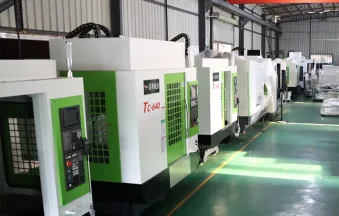
The C-type is the most common design for a vertical machining center. It features a single column and an overhanging headstock. This structure offers excellent accessibility and a compact footprint. Furthermore, it provides great rigidity for small to medium-sized parts. Consequently, it remains the top choice for general-purpose workshops and mold makers. Therefore, it delivers the highest return on investment for standard daily tasks.
Gantry Structure (Fixed Beam): The Rigidity Master
The gantry design uses two solid columns to support a fixed crossbeam. This setup eliminates the “overhang” problem found in C-type machines. As a result, it provides the highest level of structural rigidity. It excels at heavy-duty cutting and high-torque milling. Furthermore, the symmetrical design handles thermal expansion much better. Therefore, it is the standard for high-precision aerospace and automotive components.
Bridge Structure (Movable Beam): The Large-Scale Specialist
The bridge structure features a moving crossbeam that travels over a fixed bed. This design allows for massive X-axis and Y-axis travel distances. It is ideal for processing oversized workpieces like aircraft wing spars. Because the beam moves, the worktable can remain stationary. This allows you to load extremely heavy parts without affecting the machine’s speed. Consequently, it offers the best solution for the largest industrial challenges.
2. The Golden Rules for Structure Selection
You should match the machine structure to your required travel distance. Following these rules ensures the best balance of cost and performance.
-
Under 600mm Travel: Choose the C-type structure. It offers the best cost-to-performance ratio for small parts.
-
600mm to 1200mm Travel: You have two great options. Consider a reinforced C-type or a small-scale gantry model. The gantry version will provide better surface finishes for deeper cuts.
-
Over 1200mm Travel: The gantry or bridge structure is the only viable choice. C-type frames become unstable at these large sizes.
Therefore, always measure your largest part before making a final decision. Selecting a frame that is too small leads to vibration and poor accuracy. Conversely, buying a bridge for small parts wastes your valuable factory space.
3. Value for Manufacturers: Why Structure Matters
A high-quality vertical machining center is a ten-year investment for your business. The frame design directly impacts your scrap rate and tool life.
Rigid structures reduce chatter during high-speed machining. Consequently, your cutting tools last significantly longer. Furthermore, a stable “skeleton” ensures your tolerances remain tight over thousands of cycles. Therefore, investing in the right structure today prevents expensive maintenance tomorrow. As a result, your workshop gains a massive competitive advantage in the market.
Conclusion: Choosing Your Path to Precision
The “skeleton” of your machine is the foundation of your manufacturing quality. Do not ignore the physics behind the frame when browsing the catalog.
Evaluate your part size and required cutting force with total honesty. Choose a vertical machining center that can handle your toughest materials. Whether you need a nimble C-type or a powerful gantry, prioritize structural integrity. High-precision engineering starts with a rock-solid foundation. Let professional machine design drive your workshop toward a more profitable future.