In the world of metalworking, precision is the ultimate currency. A high-performance CNC lathe machine relies on two critical systems for its accuracy. The spindle acts as the heart, providing the vital rotational power. Meanwhile, the guideways serve as the joints, directing every precise movement. Understanding these components is essential for selecting the right equipment for your shop. This guide decodes the mechanical philosophy behind superior machining results. We help you select the ideal configuration for your unique production requirements.
1. The Spindle: The Heart of Surface Excellence
The spindle unit determines the quality of every finished surface you produce.
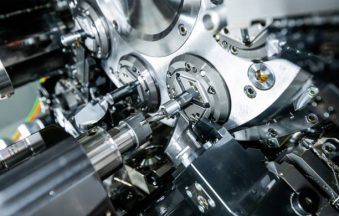
Advanced Bearing Configurations
High-speed rotation requires specialized bearing sets to maintain absolute stability. Consequently, professional CNC lathe machine designs use P4 or P2 grade precision bearings. These components minimize heat generation during long production runs. Furthermore, they prevent “spindle runout,” which causes chatter marks on your parts. Therefore, a robust bearing setup is the foundation of a mirror-like finish.
Dynamic Balance and Vibration Control
An unbalanced spindle vibrates like a shaking heart at high RPMs. Consequently, engineers must achieve a high dynamic balance grade, such as G0.4 or G1. Furthermore, low vibration levels protect the delicate cutting edge of your tools. This ensures consistent dimensions across thousands of identical parts. Therefore, always prioritize spindle balance when evaluating a new CNC lathe machine.
2. Guideways: Choosing the Right Joints for the Job
The guideways carry the cutting load and define the machine’s “personality.”
Linear Rails: The Speed Specialists
Linear guideways use rolling elements like balls or rollers for low friction. Consequently, they allow for rapid traverse speeds and high acceleration rates. This makes them perfect for light-duty parts and high-volume consumer electronics. Furthermore, they require less maintenance and offer excellent positioning accuracy. Therefore, choose linear rails for projects that demand speed and agility.
Box Ways: The Heavy-Duty Powerhouses
Box ways, or “hard rails,” feature wide, sliding contact surfaces. Consequently, they offer massive dampening capacity for heavy-duty metal removal. They excel at absorbing the shocks of interrupted cuts in tough alloys. Furthermore, the high rigidity prevents the tool from deflection under extreme pressure. Therefore, box ways are the standard for large-scale industrial and aerospace components.
3. Guidance for Selection: Match the Machine to the Part
Selecting the wrong “joints” can lead to poor efficiency or premature wear.
-
For High-Speed Aluminum Turning: Use linear rails for rapid cycles.
-
For Heavy Steel Forgings: Choose box ways for maximum structural stiffness.
-
For High-Precision Finishing: Focus on high-RPM spindles with liquid cooling.
Consequently, your CNC lathe machine will operate at its peak performance level. Matching the machine’s movement philosophy to your part geometry saves time and money. Furthermore, it ensures your shop can handle a wider variety of client requests. Therefore, treat the spindle and guideways as a single, integrated system.
Conclusion: Engineering the Future of Precision
The soul of a machine is found in its movement and stability.
Stop settling for generic lathes that fail to meet your precision standards. Instead, invest in a CNC lathe machine designed with the right heart and joints. Consequently, your workshop will produce parts with unmatched surface quality and accuracy. Experience the power of a perfectly balanced spindle and high-rigidity guideways today. Your craftsmanship deserves a machine that moves with absolute purpose and strength.