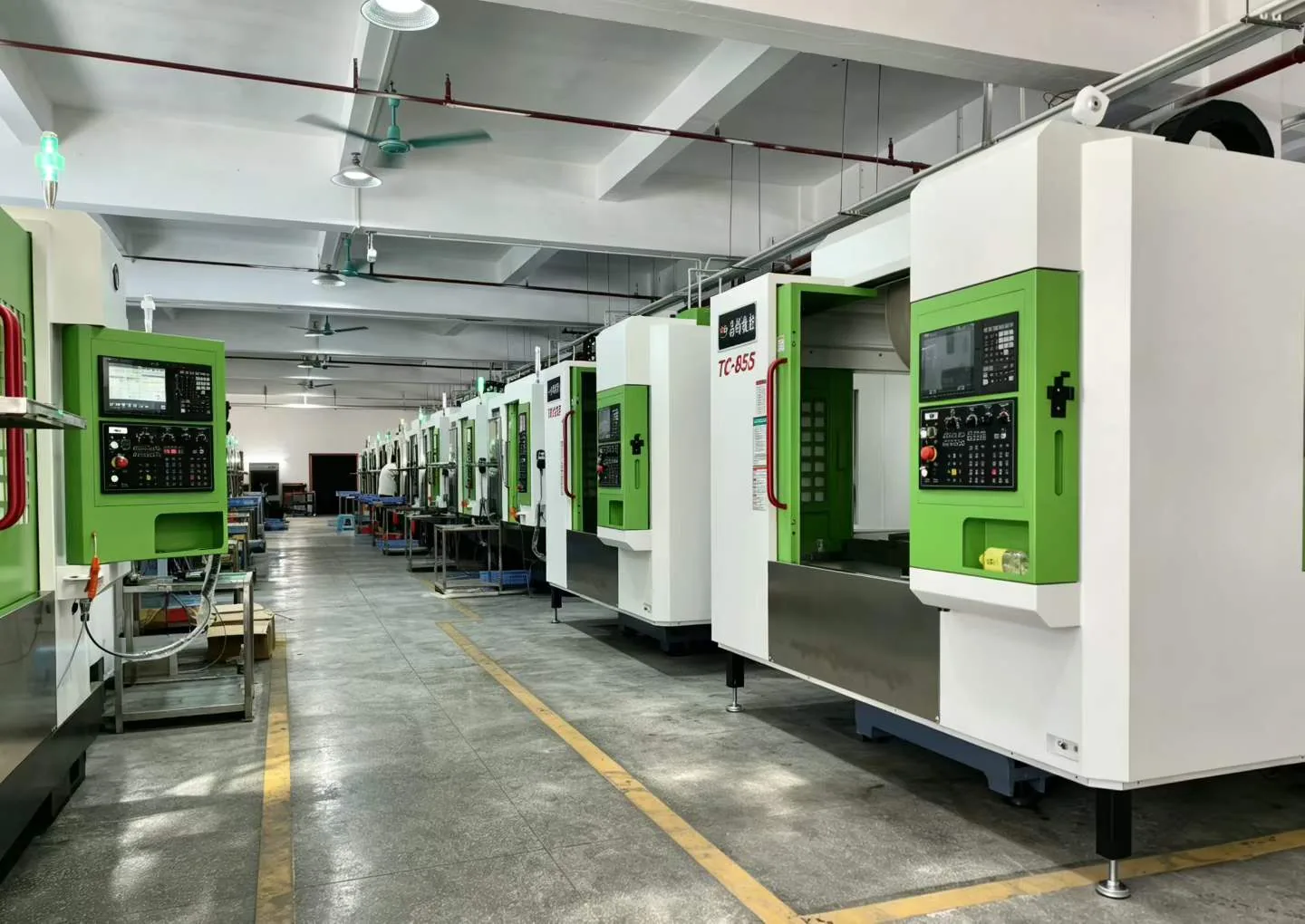
High-mix, low-volume machining is not defined only by small order quantities. It is a condition in which the process repeatedly changes part, program, fixture, tools, material, inspection method, or priority. A flexible machining-center setup must therefore be evaluated as a system. Purchasing a machine with many options will not remove a changeover bottleneck that actually sits in fixture preparation, missing tooling information, material staging, first-piece approval, or program control.
Decompose the changeover
Choose several recent job changes and list every action from the last accepted part of job A to the first accepted part of job B. Do not begin by timing each action; first identify its purpose, owner, prerequisite, and evidence of completion.
| Changeover element | Typical planning question | Improvement direction to investigate |
|---|---|---|
| Program control | Is the correct revision clearly identified? | Controlled release and verification method. |
| Fixture preparation | Is the correct fixture available, clean, and complete? | Fixture-family planning and staging. |
| Tool preparation | Are required assemblies known and ready? | Tool-demand inventory and off-machine preparation. |
| Material handling | Is the correct stock identified and at the cell? | Clear material flow and job staging. |
| Measurement/first piece | What confirms that the next job may run? | Defined control points and inspection handoff. |
| Documentation | Are setup notes and open issues visible? | Standard work with controlled updates. |
This matrix turns a vague desire for “faster changeover” into separate problems that can be reviewed honestly.
Group parts by operational similarity
Part families should be grouped by how they run, not only by product name. Useful similarities may include datum strategy, fixture interface, material, key tool assemblies, access direction, inspection approach, and handling method. A family is valuable when it lets the team reuse a controlled element without hiding meaningful differences.
Do not force unrelated parts into one family because they are the same size. A similar envelope may still require a different datum, clamp pattern, special tool, or quality plan. The purpose of grouping is to reduce avoidable preparation, not to create an attractive but misleading classification.
Separate internal and external setup work
Ask which tasks truly require the machine to be unavailable and which can occur before the current job finishes. Preparing an approved fixture, checking a controlled tool list, staging material, or reviewing a program revision may be possible away from the spindle, subject to the site’s procedures. Final loading, reference confirmation, and first-piece control may require the machine. This separation is a planning method, not a promise of a particular time reduction.
The key is evidence: a staged item must be identifiable, complete, and linked to the right job. Otherwise preparation merely moves uncertainty earlier in the schedule.
Use the first piece as a learning point
For high-mix work, the first-piece stage often contains the most useful information. Record the causes of delay or correction: missing fixture component, unclear datum, unexpected tool access, uncertain material condition, program revision confusion, or inspection handoff. Categorize the issue and decide whether it requires a document change, a fixture change, a tooling update, training, or a machine-project requirement.
This record creates evidence for future investment decisions. It is stronger than assuming that a general feature will solve all changeovers.
Evaluate machine flexibility against a confirmed workflow
When discussing equipment, bring the changeover map, representative part families, fixture concepts, tool-demand inventory, material flow, measurement plan, and known future requirements. Then ask targeted questions: which interfaces must be available; which loading or fixture strategy is being considered; which confirmed tools require review; where operators need access; and which items remain to be validated.
This avoids the trap of buying capability with no operating method behind it. Flexibility is the ability to change in a controlled way while protecting the process—not a list of options.
FAQ
What is the first step to improve a high-mix machining cell?
Map an actual changeover from last accepted part to first accepted part and identify the purpose, owner, prerequisite, and evidence for each step.
Does low volume always require extensive automation?
No. The appropriate solution depends on the confirmed bottleneck, part-family stability, loading method, staffing, fixture strategy, and investment case. These must be evaluated for the actual project.
What makes a part family useful for changeover planning?
A useful family shares meaningful operational elements—such as datum strategy, fixture interface, tooling, or inspection method—without obscuring differences that change the process.
What should be recorded during first-piece approval?
Record the job identity, revision control, fixture and tooling readiness, measurement/inspection handoff, unexpected issue, containment action, and the improvement owner.
For a high-mix machining-center project, discuss a real changeover map with CHANSIN. It allows the equipment conversation to focus on the constraints that affect daily production, not a generic promise of flexibility.