Machine tool distributors, CNC equipment wholesalers, and industrial manufacturing consultancy teams frequently guide machine shop owners through complex equipment selection processes. Because matching a machine’s mechanical structure to specific workpiece material properties directly dictates chip removal rates, tool life, and surface finish, specifying the correct vertical machining center configuration serves as a vital foundation for shop floor profitability. Consequently, commercial machinery buyers often approach equipment distributors with challenging procurement questions, asking: “Our job shop customers process an extremely wide variety of stock, ranging from lightweight aluminum alloys to abrasive carbon fiber composites and tough die steels. When recommending a vertical machining center to a multi-material facility, how do we match spindle torque curves, machine bed structures, and cutting strategies to these drastically different materials?”
Recommending an incorrect machine configuration can quickly lead to severe operational issues. For instance, pairing a low-torque, high-speed spindle with hardened tool steels leads to severe chatter and motor stalling. Conversely, forcing an operator to machine aluminum on a heavy, low-RPM gear-head spindle chokes production output and creates built-up edge (BUE) defects on the cutting tools. This comprehensive B2B technical guide breaks down spindle selection rules, outlines material-specific cutting dynamics, and provides a clear strategic recommendation framework for machinery dealers.
1. Aluminum Alloys: High-Speed Dynamics and Chip Evacuation
Machining light aluminum alloys (such as 6061-T6 and 7075) requires maximizing Material Removal Rates (MRR) through high spindle speeds and rapid feed rates rather than heavy, low-RPM cutting forces.
[Aluminum Strategy]      ---> High RPM (12,000–15,000+) + Moderate Feed + Light Radial Engagement
[Composite Strategy]     ---> High RPM + Sharp Diamond/PCD Tooling + High-CFM Dust Extraction
[Hardened Steel Strategy]---> Low RPM + High Torque (118+ Nm) + Rigid Roller Linear Guides
Optimal Spindle and Machine Configurations
Executing an efficient aluminum machining VMC setup demands a high-speed, direct-drive or built-in motor spindle running at 12,000 to 15,000 RPM or higher. Direct-drive systems eliminate belt vibration, ensuring flawless surface finishes during high-speed contouring. Additionally, because aluminum expands rapidly under heat and sticks to hot cutting flutes, the machine must include a high-pressure (20 to 70 bar) Through-Spindle Coolant (TSC) system to flush chips out of deep cavities instantly.
Cutting Strategy and Tooling Parameters
Operators should adopt a “High-Speed Machining” (HSM) strategy characterized by high surface footage, high feed rates, and a relatively light Radial Depth of Cut (a_e) paired with a deep Axial Depth of Cut (a_p). Utilizing polished, 2-flute or 3-flute carbide end mills with specialized zirconium or DLC coatings prevents aluminum from welding to the cutting edges.
2. Composite Materials: Abrasive Dust Control and Delamination Prevention
Machining advanced composites, such as Carbon Fiber Reinforced Polymers (CFRP) and fiberglass (GFRP), introduces unique mechanical challenges. Unlike ductile metals, composites do not form continuous metal chips; instead, they fracture into fine, highly abrasive dust particles while presenting a constant risk of material delamination.
Optimal Machine Hardware Controls
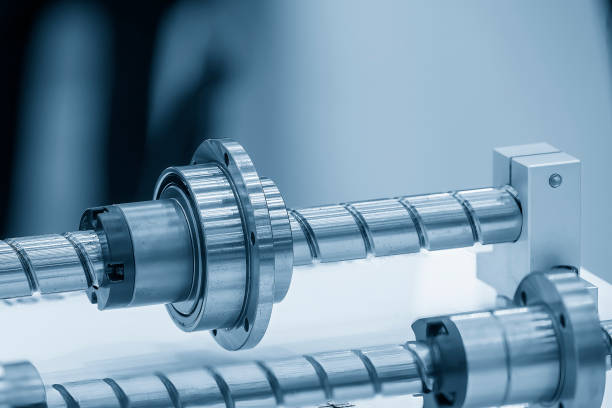
A high-performance composite material CNC platform requires robust dust management and linear guide protection above all else. Distributors must recommend machines equipped with fully enclosed, high-CFM vacuum extraction shrouds positioned right at the spindle nose to capture hazardous airborne dust the moment it forms. Furthermore, because composite dust acts like an abrasive grinding compound, the machine must feature heavy-duty, fully sealed telescoping way covers and pressurized linear guide seals to prevent fine debris from destroying the ball screws and guide rails.
Cutting Strategy and Tooling Parameters
Machining composites demands sharp, specialized diamond-coated (CVD) or Polycrystalline Diamond (PCD) router bits with “compression” or “burr” geometry. These specialized flutes generate opposing down-cut and up-cut forces, compressing the top and bottom laminate layers inward to prevent top-layer fraying and bottom-layer delamination. Operators should run high spindle speeds alongside aggressive feed rates, avoiding light rubbing feeds that generate heat and burn the polymer matrix.
3. Hardened Steels and Cast Iron: High Torque, Mass, and Vibration Damping
Processing tough materials—such as mold steels (H13, P20), hardened alloy steels (4140, D2), and heavy cast iron—requires brute cutting force, high structural rigidity, and exceptional mechanical damping to eliminate high-load chatter.
Optimal Spindle and Machine Configurations
Achieving reliable hardened steel cutting performance requires prioritizing high low-end torque over top-end RPM. Distributors should specify heavy-duty belt-driven or gear-head spindles delivering a minimum of 118 Nm of torque backed by a high-output motor (≥20 HP). To absorb heavy cutting forces, the machine frame must utilize a dense, vibration-damping box-way structure or heavy-duty roller linear guide rails mounted on a wide, rigid cast-iron bed.
Cutting Strategy and Tooling Parameters
Machining hardened steels relies on High-Feed Milling (HFM) or trochoidal toolpath strategies that maintain a constant chip load while minimizing tool engagement angles. Operators should run moderate cutting speeds (RPM) alongside small radial depths of cut, utilizing multi-flute (4 to 6 flutes) nano-composite coated carbide end mills (such as AlTiN or TiSiN) capable of withstanding extreme temperatures during dry or air-blast milling.
VMC Material-Specific Engineering Matrix
| Material Classification | Primary Spindle Requirement | Optimal Tooling & Cooling Strategy | Critical Machine Feature |
| Aluminum Alloys | High-Speed Direct Drive (≥12,000–15,000 RPM) | 2–3 Flute Polished Carbide; High-Pressure Through-Spindle Coolant | Fast acceleration/deceleration rates & rapid traverses |
| Fiber Composites | High-Speed Spindle (10,000–18,000 RPM) | CVD Diamond/PCD Router Bits; Dry Cutting with High-Vacuum Dust Shroud | Pressurized way-cover air seals & double-wiper rail guides |
| Hardened Tool Steel | High-Torque Gear/Belt Drive (≥118 Nm, 6,000–8,000 RPM) | 4–6 Flute AlTiN Carbide; Trochoidal Paths with Air-Blast Cooling | Dense Meehanite cast iron bed & heavy-duty roller linear guides |
4. Strategic Machine Selection Framework for Equipment Distributors
Machinery sales specialists can streamline customer consultations and recommend the ideal machine asset by using a straightforward three-step matching checklist:
-
Step 1: Identify the Customer’s Primary Material Ratio: Determine whether the shop spends 70%+ of its production hours cutting one specific material class. If the shop primarily processes aerospace aluminum, pitch a dedicated high-RPM machine; if they specialize in injection molds, recommend a high-torque, rigid box-way platform.
-
Step 2: Evaluate the Job Shop “Mixed-Material” Scenario: For job shops handling an unpredictable mix of aluminum, stainless steel, and mild steel, recommend a versatile “all-rounder” VMC featuring a 10,000 to 12,000 RPM inline direct-drive spindle paired with a dual-wound high-torque spindle motor.
-
Step 3: Audit Auxiliary Options Early: Never treat chip conveyors, dust shrouds, or through-spindle coolant setups as simple afterthoughts. Ensure your sales quote includes the correct filtration and chip-management accessories matching the customer’s core material types from day one.
Conclusion: Empower Your Customers with Purpose-Built CNC Solutions
In conclusion, matching a vertical machining center to a customer’s production requirements requires looking beyond simple bed dimensions and selecting a spindle architecture and frame design tailored to their specific material needs.
Stop risking your dealership’s reputation on one-size-fits-all machine quotes that stall out on tough steels or run too slowly on lightweight aluminum alloys. Guiding your buyers toward purpose-built aluminum machining VMCs, composite-ready platforms, or high-torque steel cutting platforms ensures they achieve immediate manufacturing efficiency, longer tool life, and outstanding part quality. We configure every spindle torque curve and engineer every machine frame to meet strict international manufacturing standards.
Contact our technical machine tool factory today to request detailed machine specifications and secure a wholesale distributor proposal.