A clear request for quotation (RFQ) saves time for both the buyer and the machine supplier. More importantly, it makes proposals easier to compare. If one supplier is quoting a basic machine and another is quoting a machine with different tooling, automation, electrical, or service assumptions, a price comparison alone can be misleading.
An effective CNC machining center RFQ does not need to be long. It needs to provide the information that affects process feasibility, machine configuration, delivery scope, and acceptance.
Why “Please Send Your Best Price” Is Not Enough
A CNC machining center is not a single fixed product. The best configuration depends on the part, material, cutting process, production plan, control preference, options, and destination requirements. Without that context, a supplier may only be able to provide a broad estimate or make assumptions that do not match your real needs.
The goal of an RFQ is to reduce unknowns before commercial discussions begin.
1. Part Drawings and 3D Files
Start with the latest approved drawing. If possible, provide a 3D model as well. Mark critical dimensions, datum surfaces, tolerances, threads, surface-finish requirements, and any features that are difficult to reach.
If the drawing is confidential, clarify whether a non-disclosure agreement is needed before full files are shared.
2. Material and Starting Stock
State the workpiece material, condition, starting size, and whether the part begins as bar stock, casting, forging, plate, extrusion, or pre-machined material. Material affects tool selection, cutting load, coolant needs, chip behavior, and expected cycle time.
3. Production Volume and Lot Size
Include annual quantity, expected lot size, shifts per day, and target production start date. A machine for prototypes and low-volume mixed work may be configured differently from a machine intended for repeat production.
4. Required Operations
List the operations you expect to complete on the machine. Examples include facing, contour milling, deep-pocket milling, drilling, tapping, boring, reaming, and multi-face machining. If some operations are currently performed on another machine, explain whether you want to consolidate them.
5. Accuracy and Surface-Finish Requirements
Identify the tolerances that are critical to function. Avoid asking for a general “high-precision” machine without explaining how the finished part will be measured and accepted. The supplier needs to understand the features that matter, the inspection method, and the environmental conditions that may influence results.
6. Tooling, Fixtures, and Workholding
Describe your existing toolholders, cutting tools, vises, chucks, pallets, or custom fixtures. If you need the supplier to recommend workholding, provide photos or drawings of the part and explain loading requirements.
7. Control System and Electrical Requirements
If your plant has a preferred control system, include it. Also specify electrical voltage, frequency, plug or transformer requirements, and local compliance requirements. This avoids late changes that can affect the machine build or installation plan.
8. Automation and Material Handling
If robot loading, gantry loading, pallet handling, probing, tool setting, chip conveyance, mist collection, or coolant filtration may be required, mention it early. Even if automation is planned for a later phase, the base machine layout should be reviewed with that future step in mind.
9. Delivery Location and Site Conditions
State the destination country, facility access limits, available lifting equipment, floor conditions, installation space, and expected commissioning support. These details help the supplier plan packing, transportation, installation, and service scope.
10. Acceptance, Documentation, and Training
Ask how the machine will be tested before shipment and what documents are included. Clarify whether you need operation manuals, electrical diagrams, training, remote support, spare-parts recommendations, or a factory acceptance test based on a representative part.
How to Compare Quotes Fairly
Create one checklist and ask every supplier to respond to the same items. Compare more than the machine headline price:
- Included versus optional equipment;
- proposed process assumptions;
- control and electrical specification;
- tooling and workholding scope;
- acceptance method;
- delivery and installation scope;
- training, warranty, and service assumptions;
- excluded items and open questions.
When two proposals differ, ask the suppliers to explain the operational impact rather than simply requesting a discount.
A Simple RFQ Template
Your RFQ can be structured in five sections:
1. Company and contact details; 2. Part and process information; 3. Required machine scope and options; 4. Site, delivery, and compliance requirements; 5. Commercial timeline and requested documentation.
This format helps suppliers prepare useful proposals and gives your engineering and purchasing teams a consistent basis for review.
Next Step
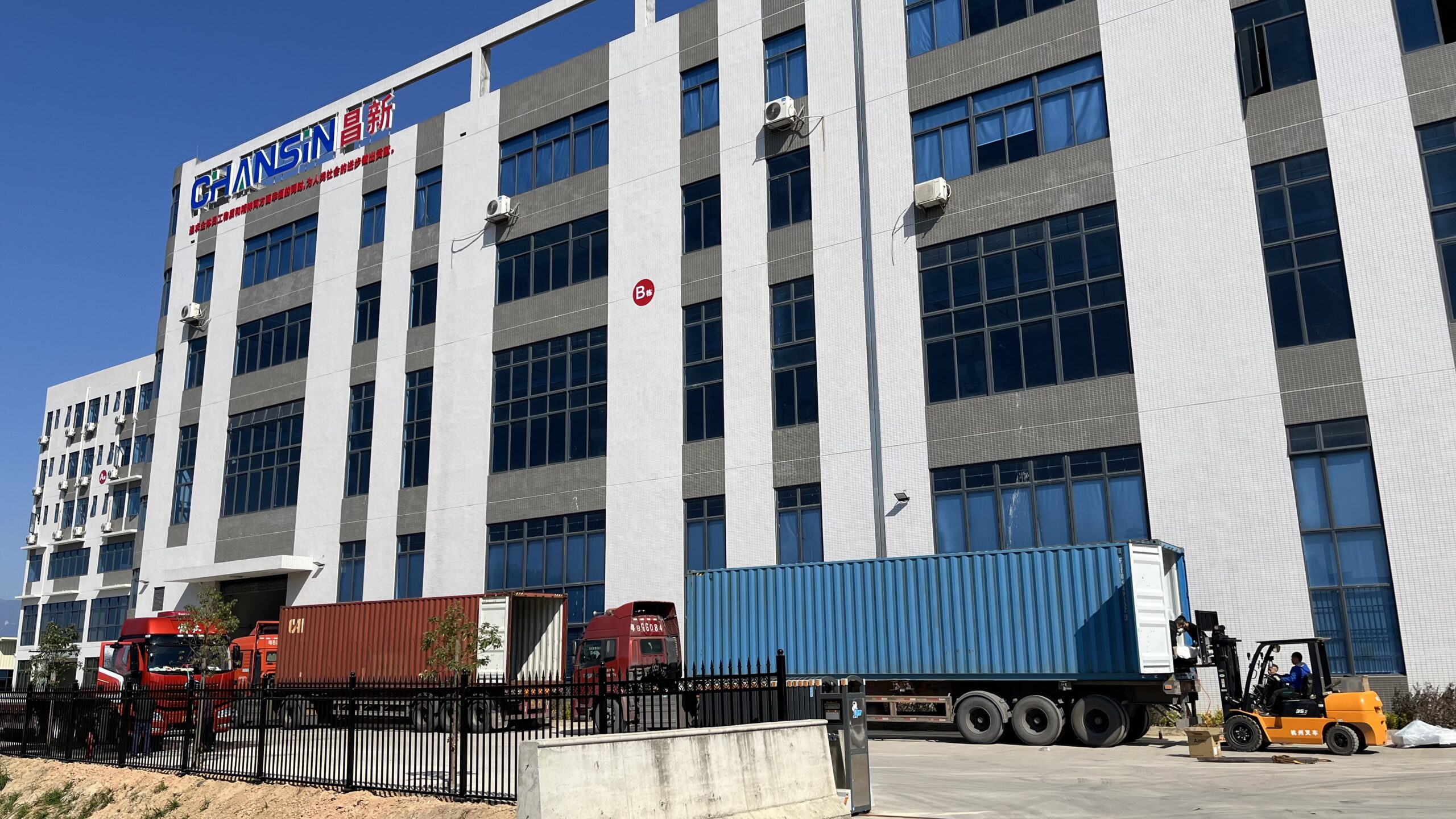
Before asking for a quote, collect the drawing, material, quantity, process requirements, and site information in one package. If you are evaluating a CNC machining center, CHANSIN can review the available information and identify the questions that should be resolved before a configuration is finalized.
Frequently Asked Questions
What is the minimum information needed for a CNC machine RFQ?
Provide a representative drawing, material, part quantity, required operations, critical tolerances, site location, and expected delivery timeline.
Should I include automation requirements in the first RFQ?
Yes. Even if automation is planned later, sharing that plan early helps evaluate layout, access, workholding, and interface needs.
How can I compare CNC machine quotes fairly?
Use one requirement sheet and ask each supplier to identify included, optional, excluded, and open items. Compare the complete delivery scope rather than headline price alone.
Contact CHANSIN and upload your drawings to start a structured configuration discussion.