Say you run four job changes a day, twelve tools each, with every tool touched off by hand at about two and a half minutes. That's half an hour of a stopped spindle per changeover, two hours a day, before the first chip. Tool setter vs presetter: which one gets that time back comes down to two numbers you won't find on a quote: how much machine time each option still takes away from cutting, and how much of the freed time you can actually sell.
In short: an on-machine tool setter cuts the time the machine spends not cutting, without adding labour, and also catches broken tools and tracks thermal growth. An off-machine presetter frees a little more spindle time, but it needs someone to run it and a way to get the data into the control. Which pays back faster depends on whether that person already exists in your shop.
| Tool setter in the machine | Presetter off the machine | |
|---|---|---|
| Machine time per tool | A short automatic cycle | Only a check at the machine |
| Labour | None added | Someone to measure and transfer data |
| Also gives you | Broken-tool check, run-out, thermal growth | Tool data ready before the job starts |
Count the spindle minutes each route still uses
Hand touch-off ties up the spindle for the whole time someone is jogging, touching and typing. Renishaw's tool-setting pages point out what goes with it: results vary between operators, chips between the holder and spindle cause run-out nobody sees, and the tool changes size as the machine warms up.
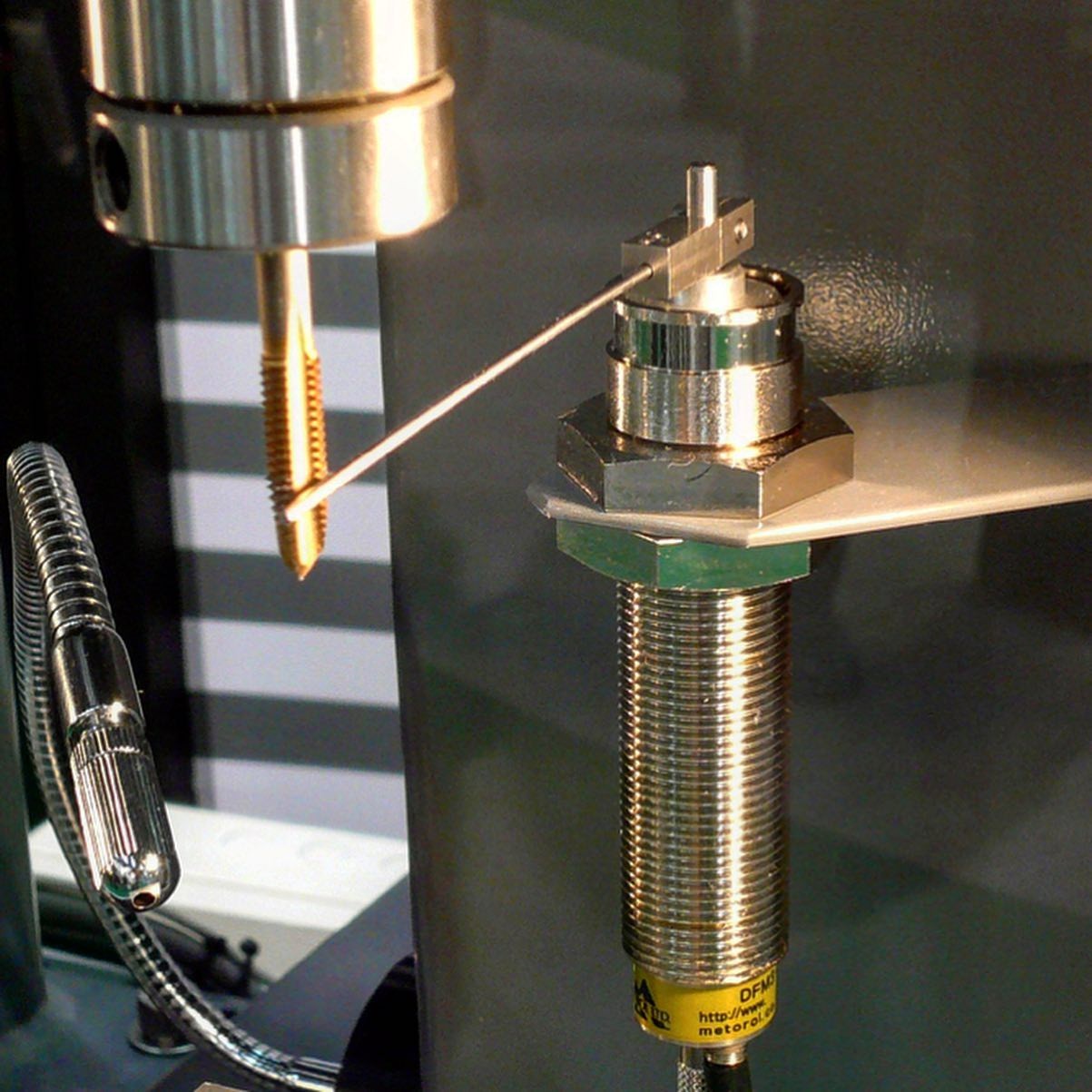
A tool setter on the table measures each tool automatically. The machine can't cut while it measures, and with a laser setter the spindle may even be turning at speed, but the cycle is short and needs no operator. A presetter measures tools on a bench while the machine cuts the previous job, so at the machine you only load the tools and check the data.
A worked example with illustrative numbers
Every figure below is an example only, not a benchmark or a quote. It's a simple payback that leaves out maintenance, calibration, consumables and software, so put in your own changeover records, tool counts, shop rates and those running costs.
Assume four changeovers a day, 12 tools each, 220 working days a year:
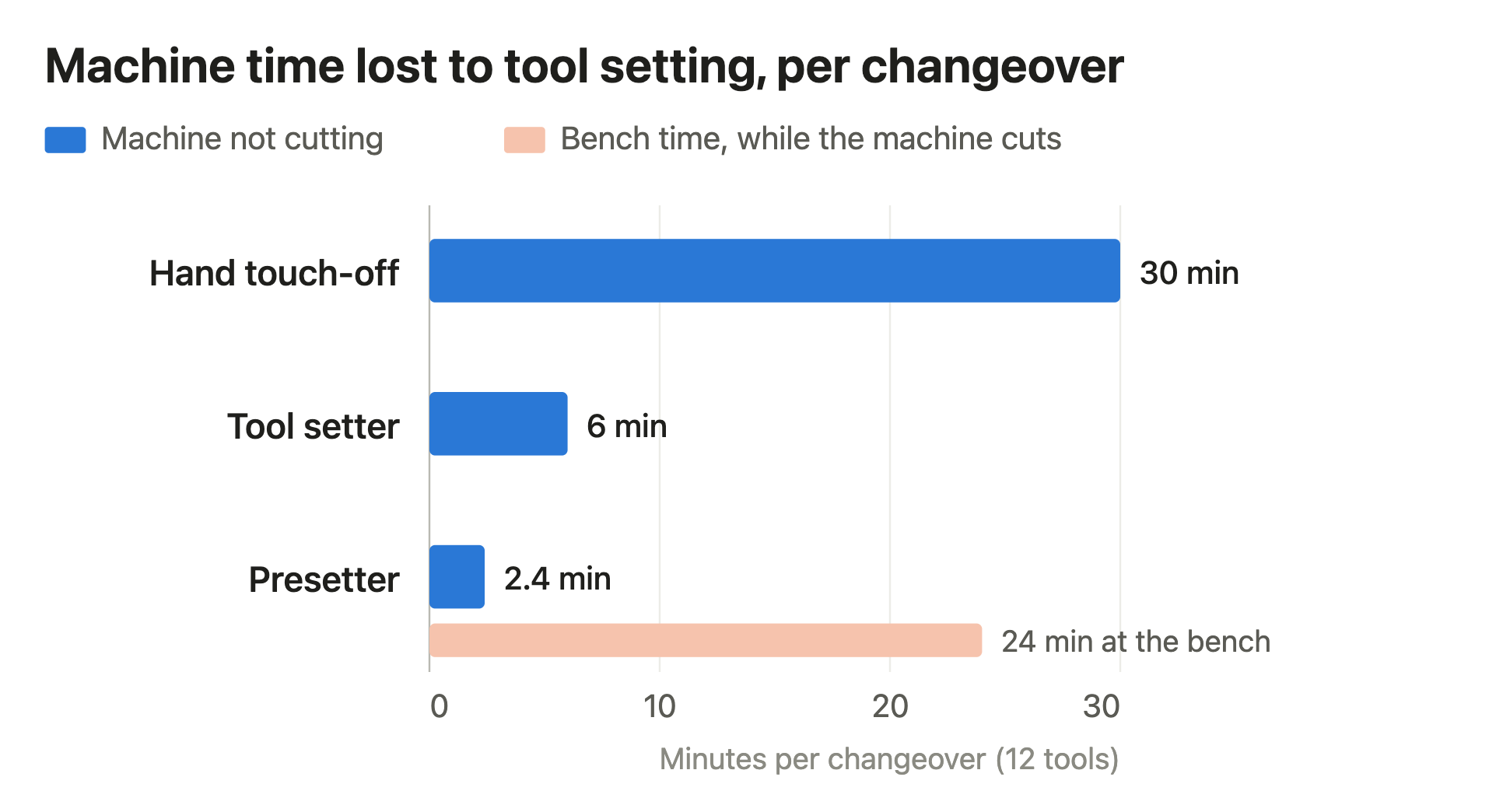
- Hand touch-off: 2.5 minutes per tool, so 30 minutes of stopped spindle per changeover.
- Tool setter: 0.5 minutes per tool including moves, so 6 minutes. That saves 24 minutes per changeover, or 24 × 4 × 220 ÷ 60 = 352 hours a year.
- Presetter: a 0.2-minute check per tool at the machine, so 2.4 minutes. That saves 27.6 minutes, or 404.8 hours a year. Measuring at the bench takes the operator about 24 minutes per changeover.
Freed hours only become money if you have work to put in them. Assume 60% of them turn into sold machine time at a contribution of $50 an hour, and bench labour costs $25 an hour.
- Tool setter: 352 × 0.6 × $50 = $10,560 a year. At an installed price of $8,000, payback is about 0.8 years.
- Presetter: 404.8 × 0.6 × $50 = $12,144, minus 352 hours of bench labour at $25 ($8,800), leaves $3,344 a year. At $25,000, payback is about 7.5 years.
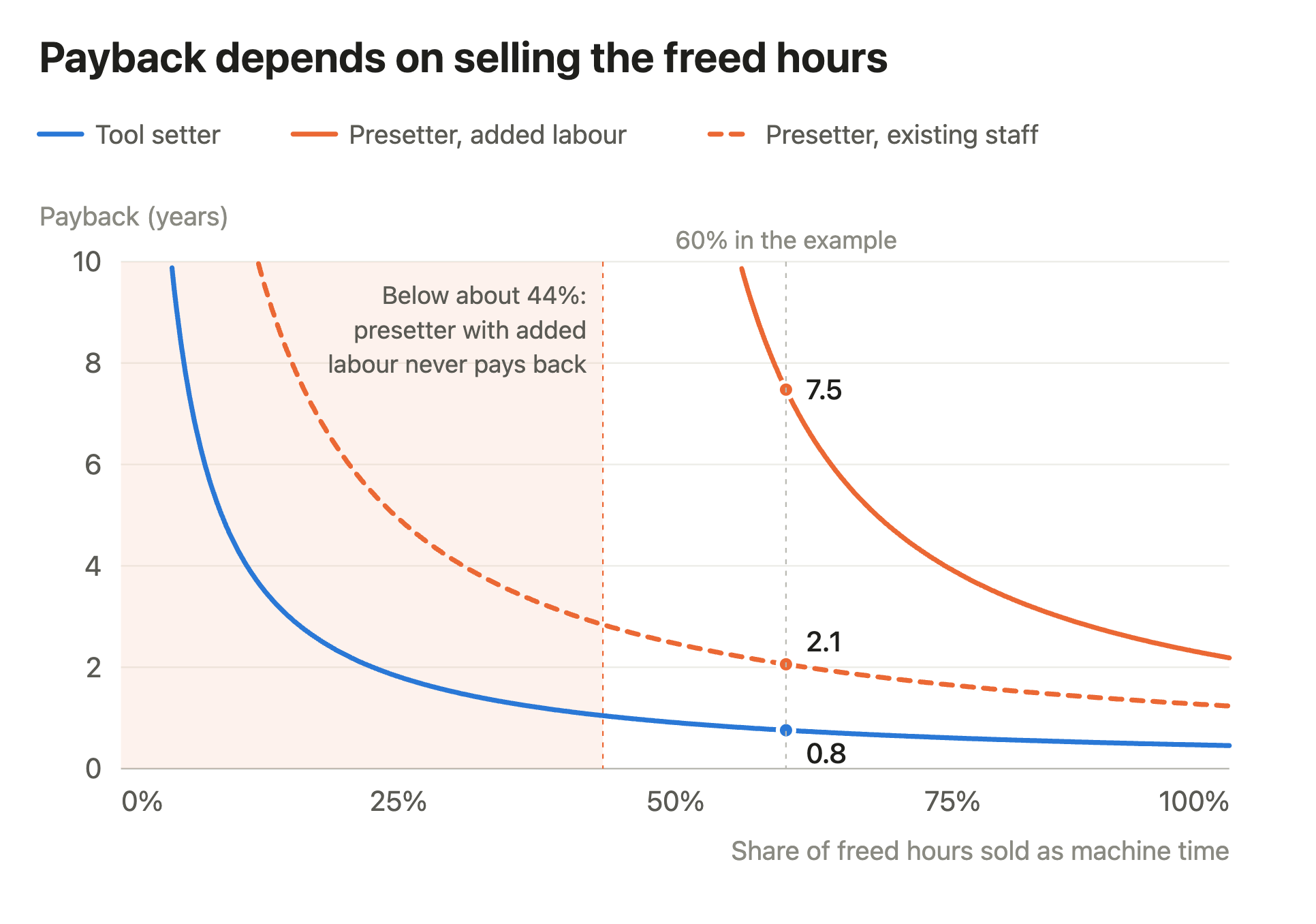
Now change one input. If your tool room already has someone who can run the presetter without extra cost, its payback drops to about 2.1 years. And if none of the freed hours can be sold, neither option pays back in cash. So the answer sits in your labour and your order book more than in the equipment. If you want to work out your own machine-hour value first, our guide to CNC machine hourly rates walks through it.
What measuring in the machine adds
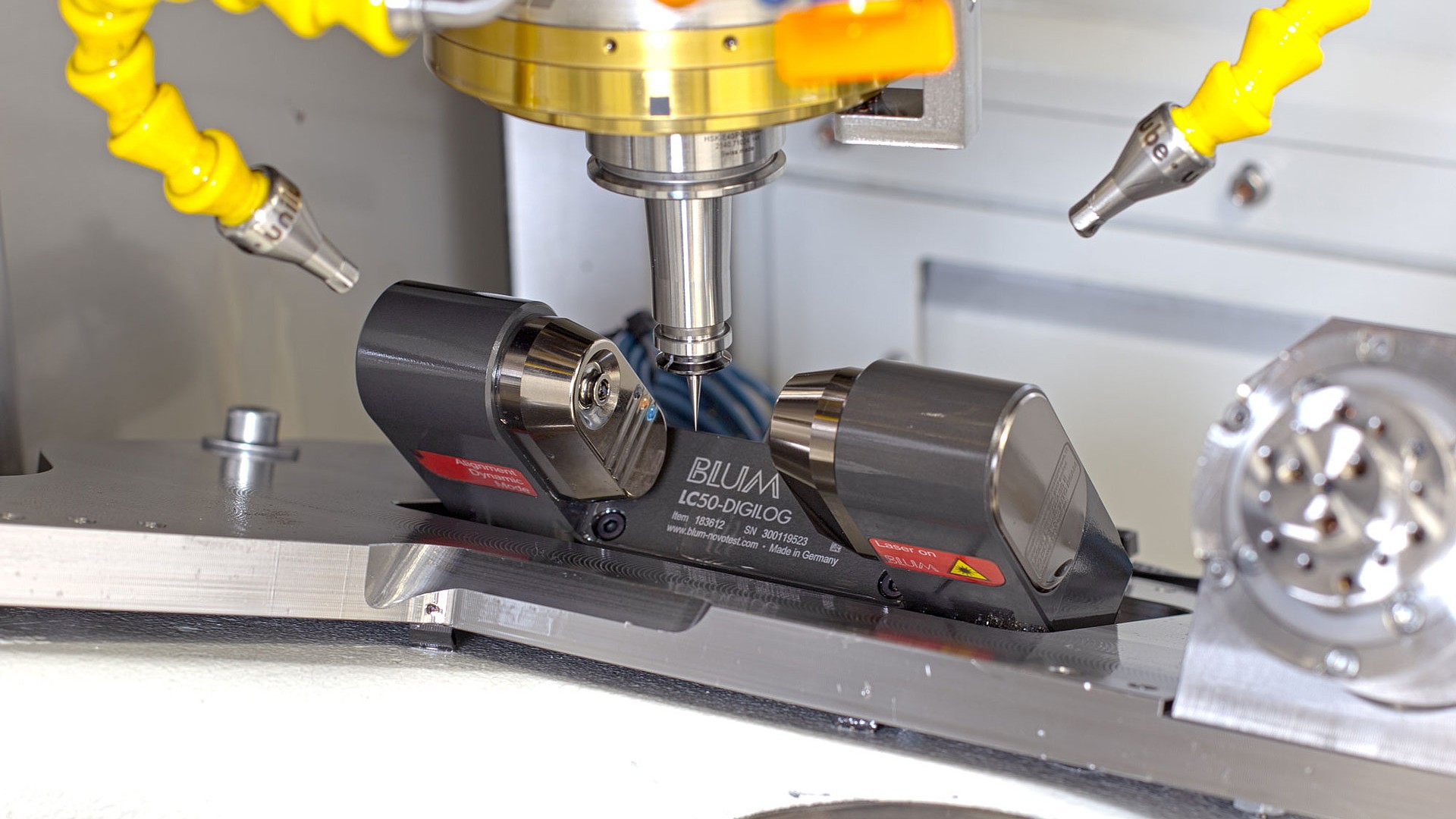
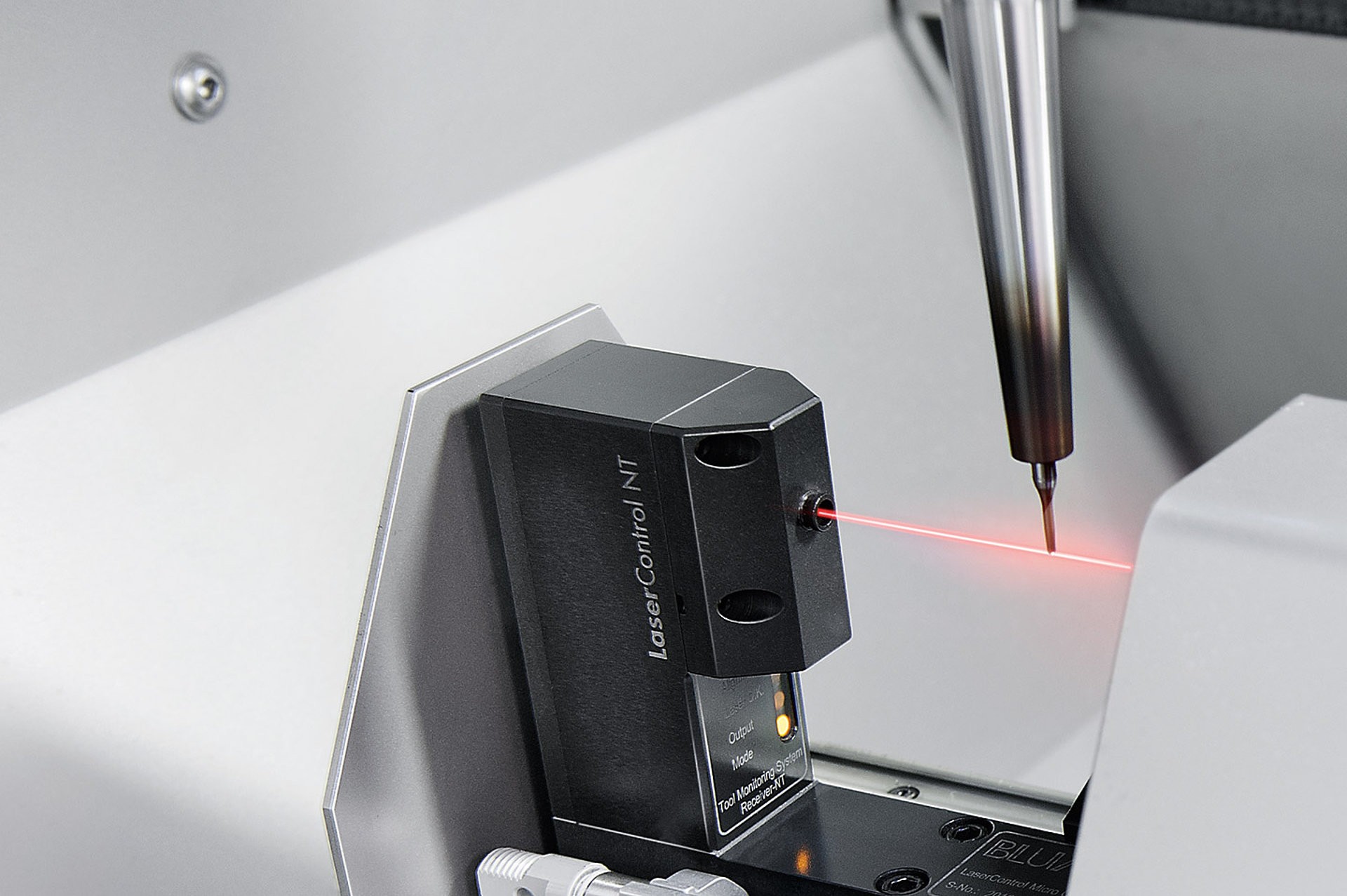
A tool setter measures the tool as it actually sits in the spindle, at the temperature the machine is running at. BLUM's laser systems, for example, can also check run-out, compensate thermal growth of the machine and detect broken tools, depending on the control. That's especially useful with small tools and long unattended runs, where a broken drill can scrap the next twenty parts.
What a presetter needs to pay off
A presetter measures length, radius and cutting-edge profile on the bench, often more completely than a setter in the machine. It pays off when the tool list is long, new tools come in with every job and someone in the tool room is already there to run it.
The other half of the job is getting correct tool data to everyone who uses the tool. LIDU, a German contract manufacturer, runs its ZOLLER presetters and tool data on one system shared by CAM programming, the tool store and the operators at the machines. Typing values in by hand at the machine brings back the errors you bought the presetter to remove.
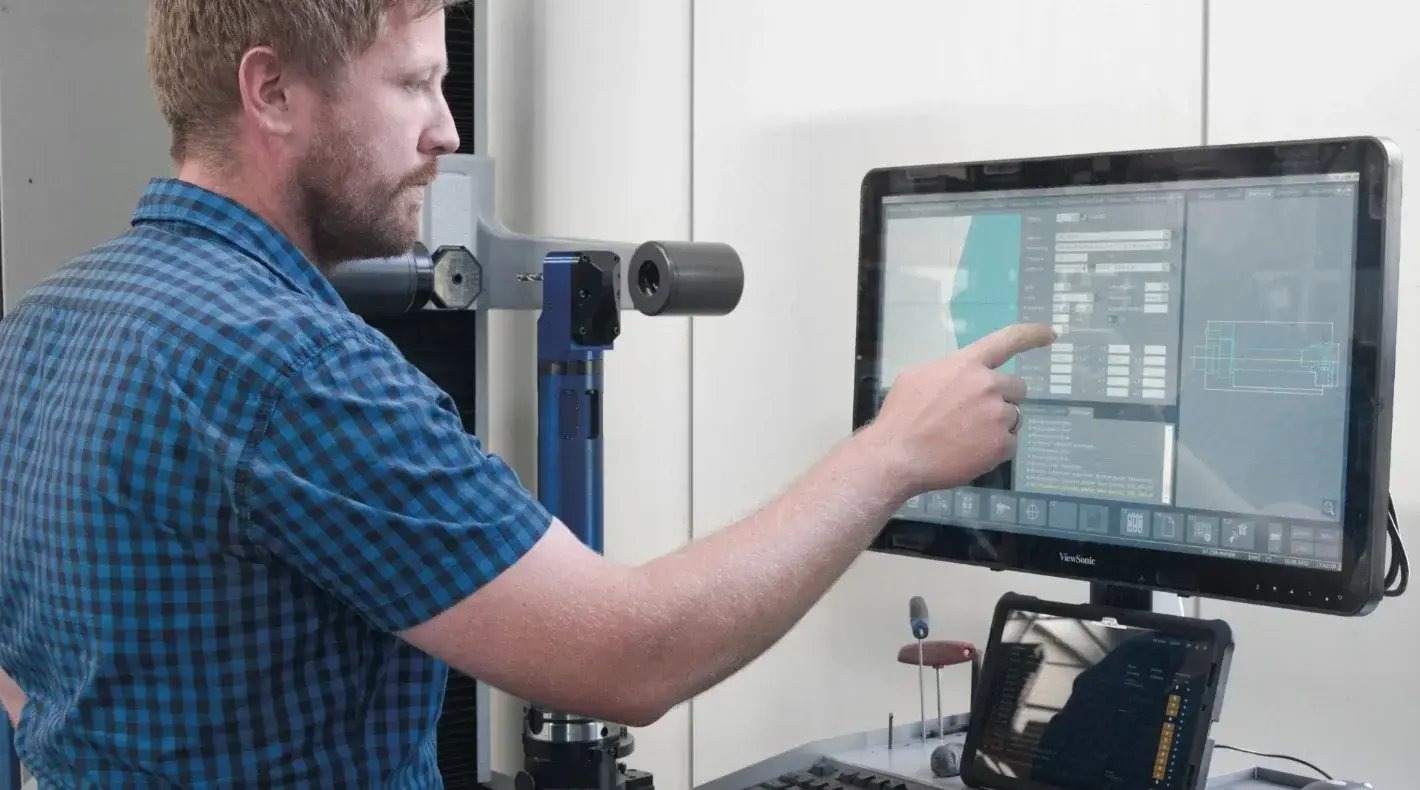
Some shops end up using both: the presetter prepares new tools for the next job, and the setter in the machine confirms length and catches breakage during the run. If your changeover problem is bigger than tool setting, our article on high-mix changeovers shows how to find the real constraint first.
Tool setter vs presetter: when to buy which
A tool setter is the better first step if you can't add labour, if you run small tools or long unattended shifts, or if you want broken-tool checks. A presetter makes more sense when the tool room is already staffed, tool lists are long and change with every job, and you can get the data into the control without retyping. If your bottleneck is first-article inspection or programming, neither one will raise output much.
How we set up a Chansin machine for fast changeovers
For high-mix work, we fit our machining centers with an on-machine tool setter, so the program can measure tool length and check for broken tools. Our CS-V and CS-L vertical machining centers carry 24 tools, so if a job's tool list fits and the tools already in the magazine don't need re-measuring, only the new ones go through the setter. If you already run a presetter, we'll look at how its data gets into the control you choose. See our VMC series for travels and spindles.
Send us a week of changeover records and the tool list for a typical job through our product inquiry page. We'll work out the spindle time each route gives back on your numbers, recommend a configuration, estimate the cycle time and quote.
Sources and Method
- Renishaw — Tool setting and broken tool detection: manual setting errors, run-out from debris, thermal effects.
- BLUM-Novotest — LaserControl LC50-DIGILOG: breakage detection, run-out monitoring, temperature compensation.
- BIG DAISHOWA — Tool presetter cost and payback calculator: setup-time inputs.
- ZOLLER — More efficient production thanks to correct tool data.
- KELCH — Reproducible quality and shorter set-up times.
All times, prices, rates and the 60% share are illustrative, not production benchmarks or quotes. Recalculate with your own data.