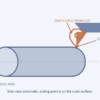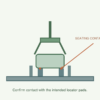
Persistent foam in a circulating water-miscible CNC coolant can come from the way the machine introduces air or from the fluid and water in the sump. Separate those possibilities before adding defoamer. Record when the foam appears, the sump level and return-flow pattern; then compare a fresh sample away from the running machine. If the machine visibly entrains air but a sample settles normally, investigate suction and return conditions first. If the sample itself foams persistently, check concentration, make-up water and contamination against the fluid supplier’s instructions. Neither observation alone identifies every cause.
Observe the machine while the symptom is present
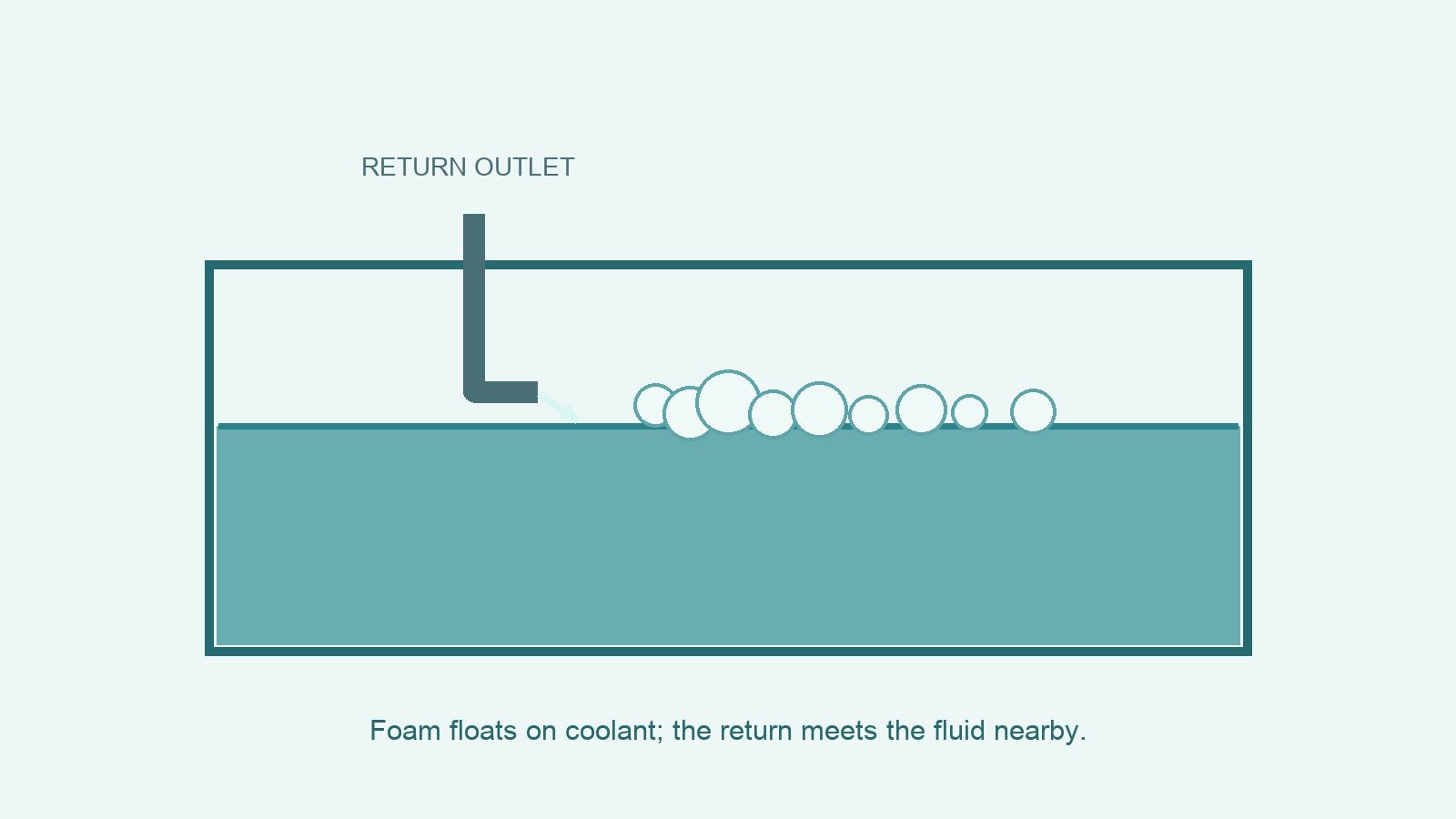
Is the foam local to the return point, spread across the sump, or carried to the cutting zone? Did it begin after a refill, filter change or plumbing adjustment? Check the level against the machine’s specified operating range and observe whether return flow splashes above the fluid surface. Air entering at the pump suction or vigorous return flow can create foam even when the fluid formulation has not changed. Inspection and any intervention around pumps or moving equipment must follow the machine’s safety procedure.
One machine foaming while others use the same fluid and water suggests a machine-specific check is useful, though it does not prove a pump fault. Several machines foaming after the same make-up-water delivery or concentrate change shifts attention toward a shared fluid input. Those are clues for ordering checks, not diagnoses.
Compare the running sump with a small fluid sample
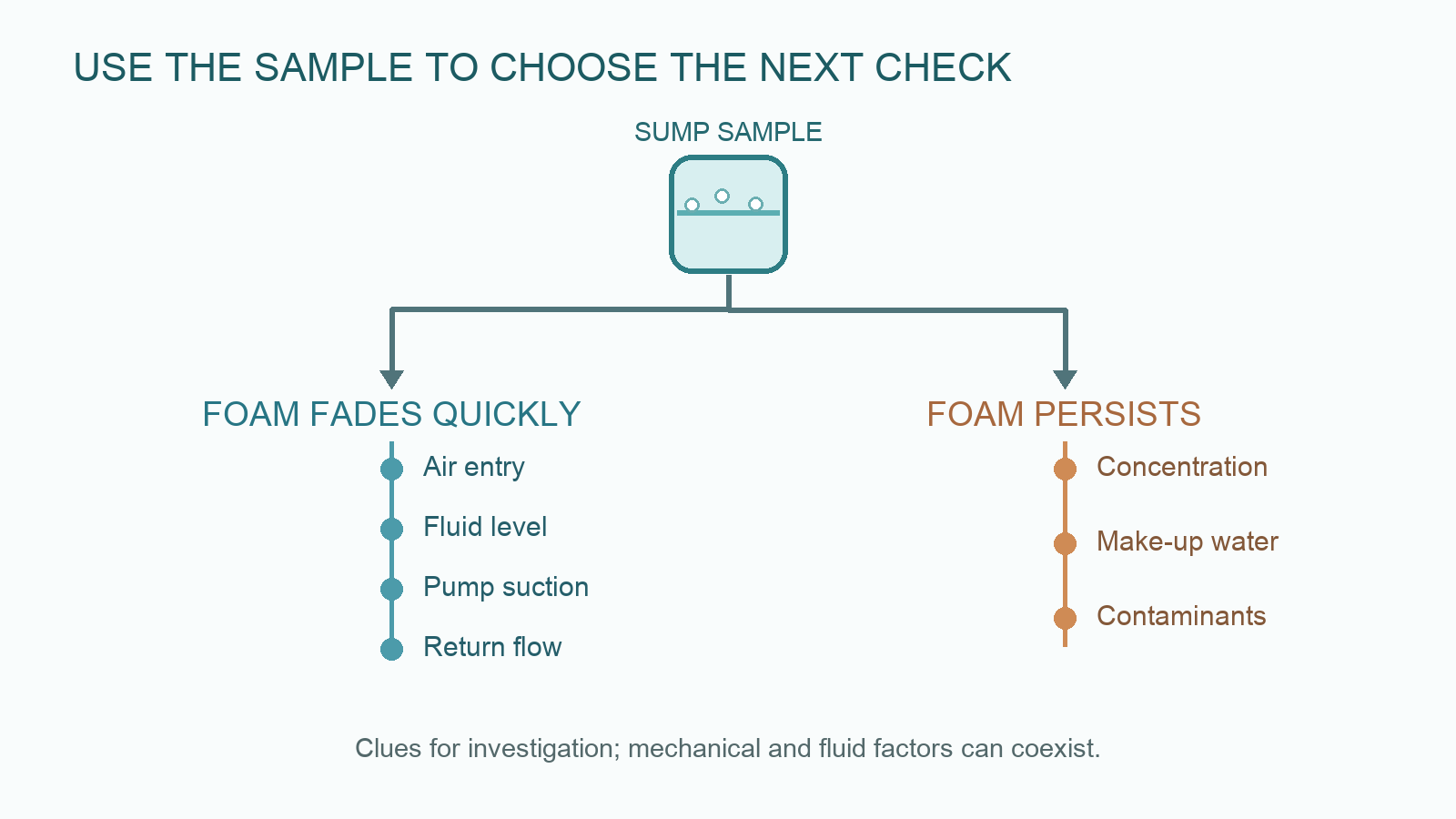
A Castrol metalworking-fluid guide suggests a simple shake comparison as a way to help distinguish mechanical aeration from fluid-related foam. Sample the fluid according to site and supplier practice, use a clean container, and note how the foam forms and settles. A bench sample cannot reproduce pump shear, temperature or contamination at every point in the circuit. Treat its result as a direction for further checks, not a pass/fail standard.
If the sample settles but the running sump still fills with bubbles, focus on air entry, level, pump operation and how fluid returns. If the sample remains foamy, check the fluid’s concentration and the make-up water used to dilute it. Also review recent cleaners, tramp oil and other possible contaminants. The exact acceptable concentration and water quality range depend on the product; a number borrowed from another coolant can make the condition worse.
Measure the fluid with the right product information
Check the supplier’s mixing, water-quality and maintenance guidance for the fluid actually in the sump. Blaser’s handling guide, for example, discusses how water conditions and system operation influence emulsion behavior. Its advice is product guidance, not a universal concentration or hardness specification for every brand. Record the fluid name, product revision, make-up water source and any recent top-up or treatment before changing chemistry.
If a refractometer is used, convert its reading with the coefficient supplied for the specific product and check for contamination effects. The distinction between a Brix reading and an actual concentration is explained separately in this coolant concentration guide. A correct concentration reading still does not rule out mechanical air entry.
A fault log that leads to a useful next step
| What you see | Check next | Do not conclude yet |
|---|---|---|
| Foam rises during pump operation and fades after stop | Sump level, suction path and return splash | That the fluid chemistry is sound |
| Clean sample retains foam after shaking | Concentration, water and possible contaminants | That one additive will solve it |
| Several machines change after a shared refill | Make-up water, concentrate and mixing record | That every pump failed together |
| Only one machine changes after maintenance | Changed hoses, filters, level and return position | That the new fluid batch is defective |
Record the time, machine, fluid, level, sample behavior and recent changes so a maintenance technician or coolant supplier can reproduce the observation. If the condition persists, ask the fluid supplier for a product-specific test and compatible remedy. Adding an unapproved defoamer can complicate the diagnosis and may affect the fluid’s other functions.
When fluid checks need to go further
ASTM E3265-21 identifies a guide for evaluating the foaming tendency of water-miscible metalworking fluids; its public catalogue page gives the scope rather than the full test procedure. For persistent or consequential foam, follow the fluid supplier’s procedure and any required site test. First establish whether the running system is making bubbles, the sample retains them, or both.
Sources and method
The initial separation draws on Castrol’s foam guide and Blaser’s handling guidance. The standard cited above is identified from the public ASTM E3265-21 listing.