25 Years of Excellence: China’s CNC Machinery Pioneer Expands Global Reach
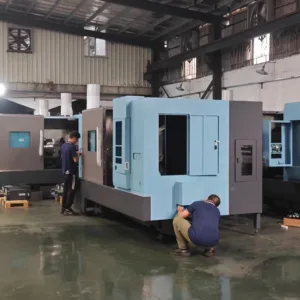
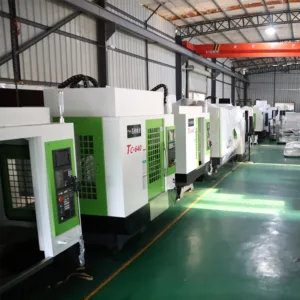
Founded in 1998, one of China’s earliest manufacturers of metal and mold processing equipment has grown into a global supplier of CNC machining centers, CNC...

 12Jun
 12Jun
 12Jun
 12Jun
 31Oct
 31Oct
 06Nov
 06Nov
 14Nov
 14Nov
 20Nov
 20Nov
 25Nov
 25Nov
 03Dec
 03Dec
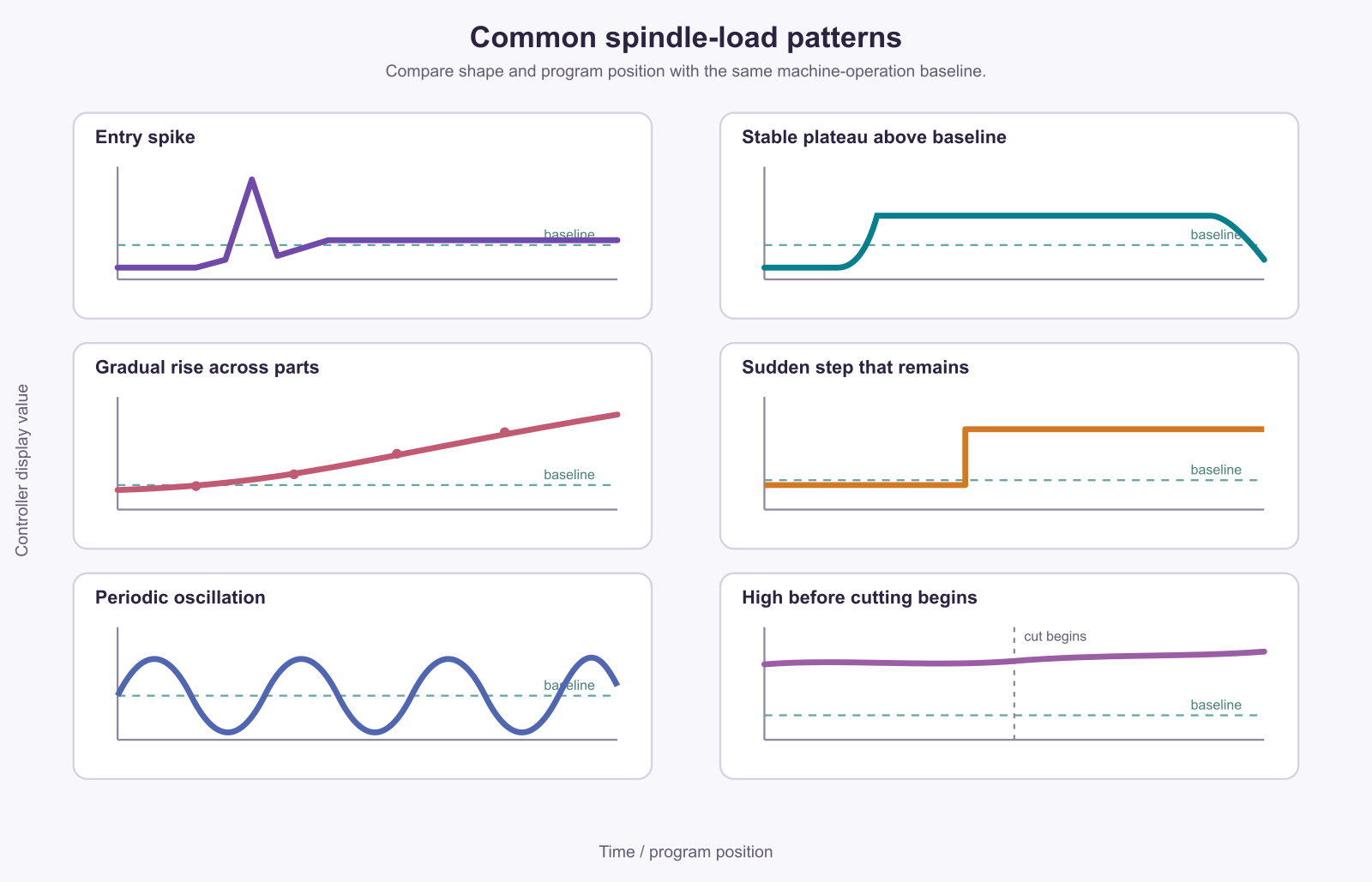
Learn what a CNC spindle-load display measures, how to build a process baseline, read load patterns and avoid treating load as direct cutting force.
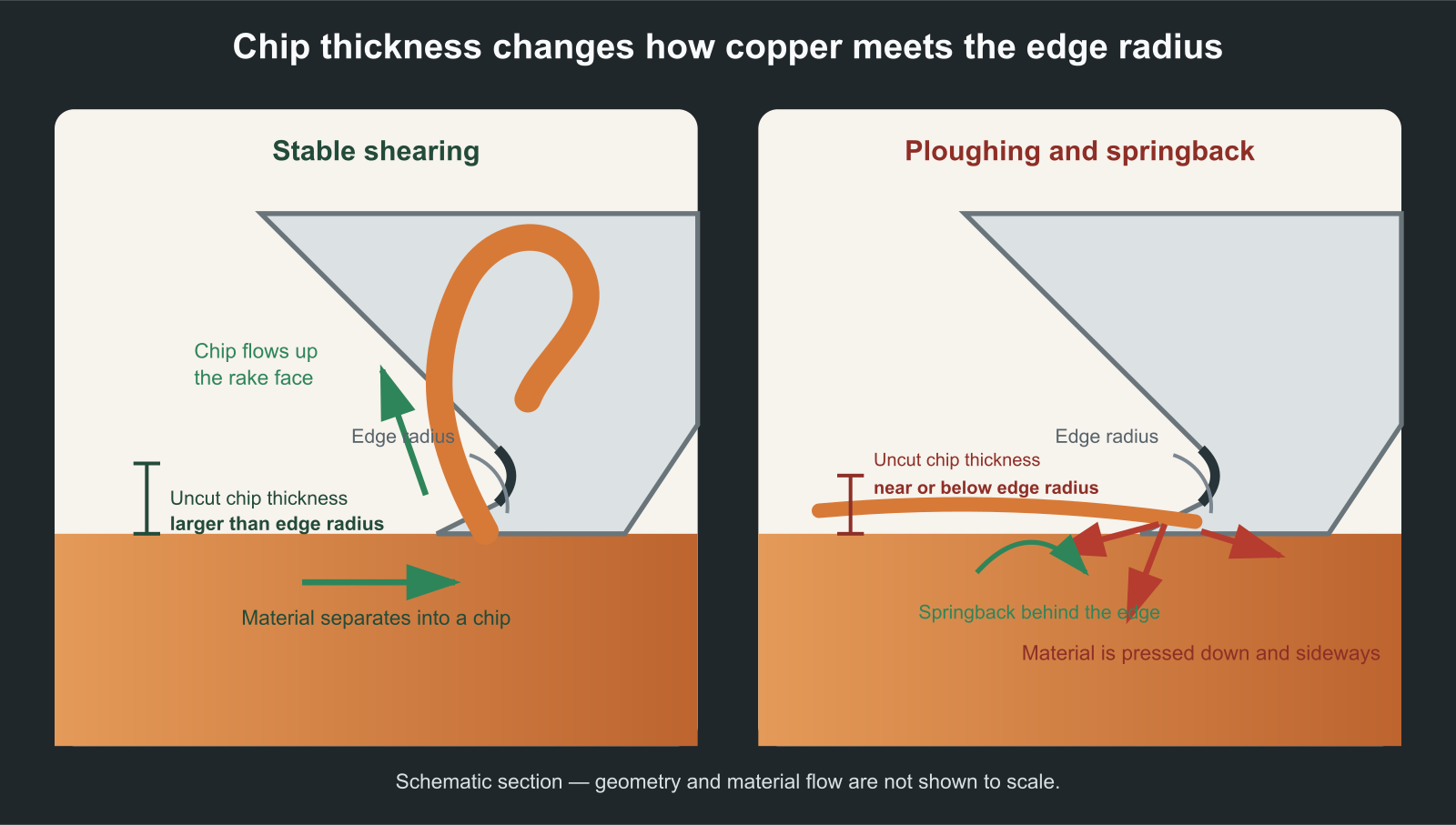
Understand why pure copper smears, forms built-up edge and leaves burrs during CNC milling, then diagnose the tool, chip and exit condition.
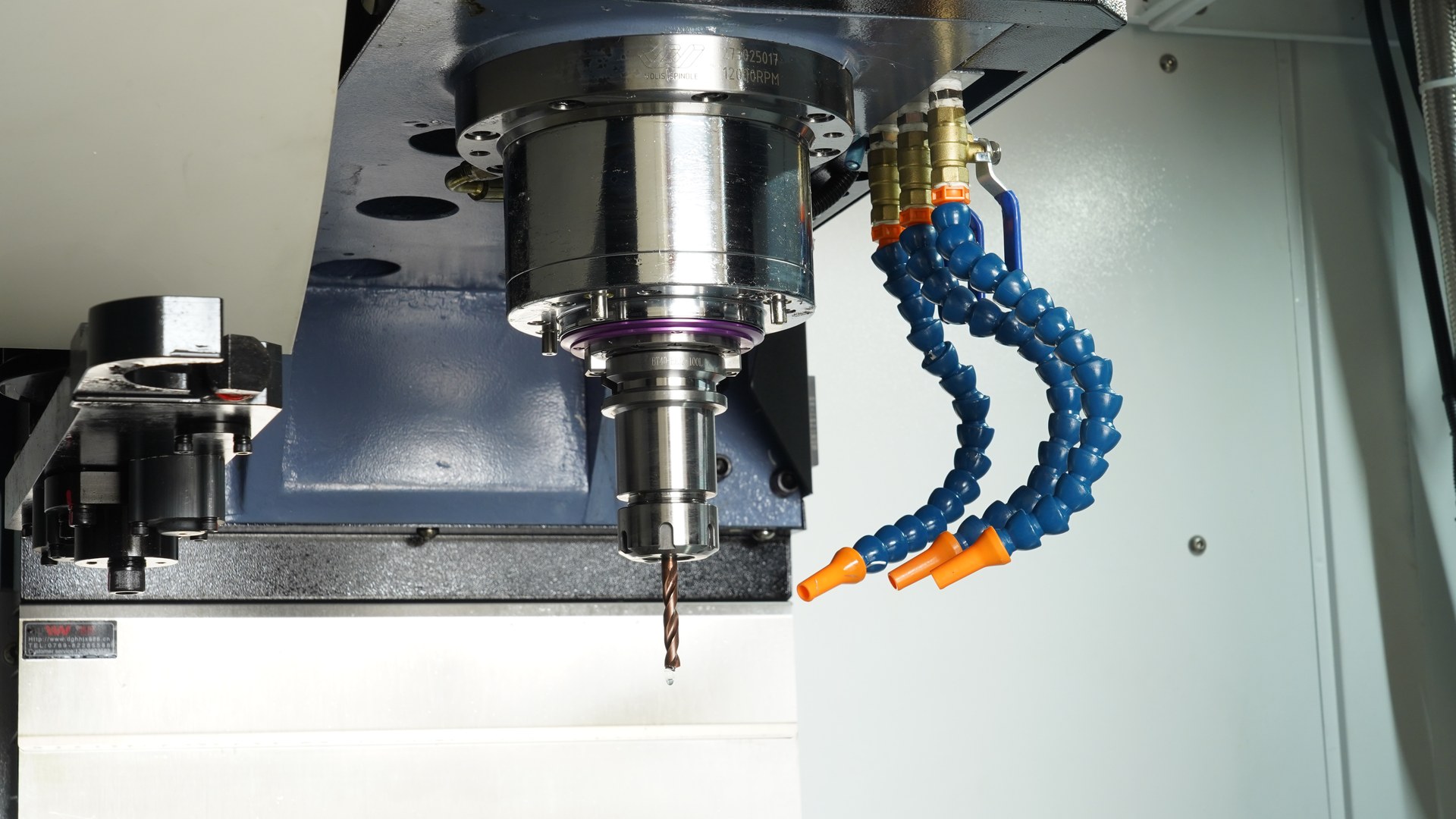
A reamer follows the hole it’s given; a boring bar cuts where the spindle takes it. When to ream, when to bore, and when to do both.
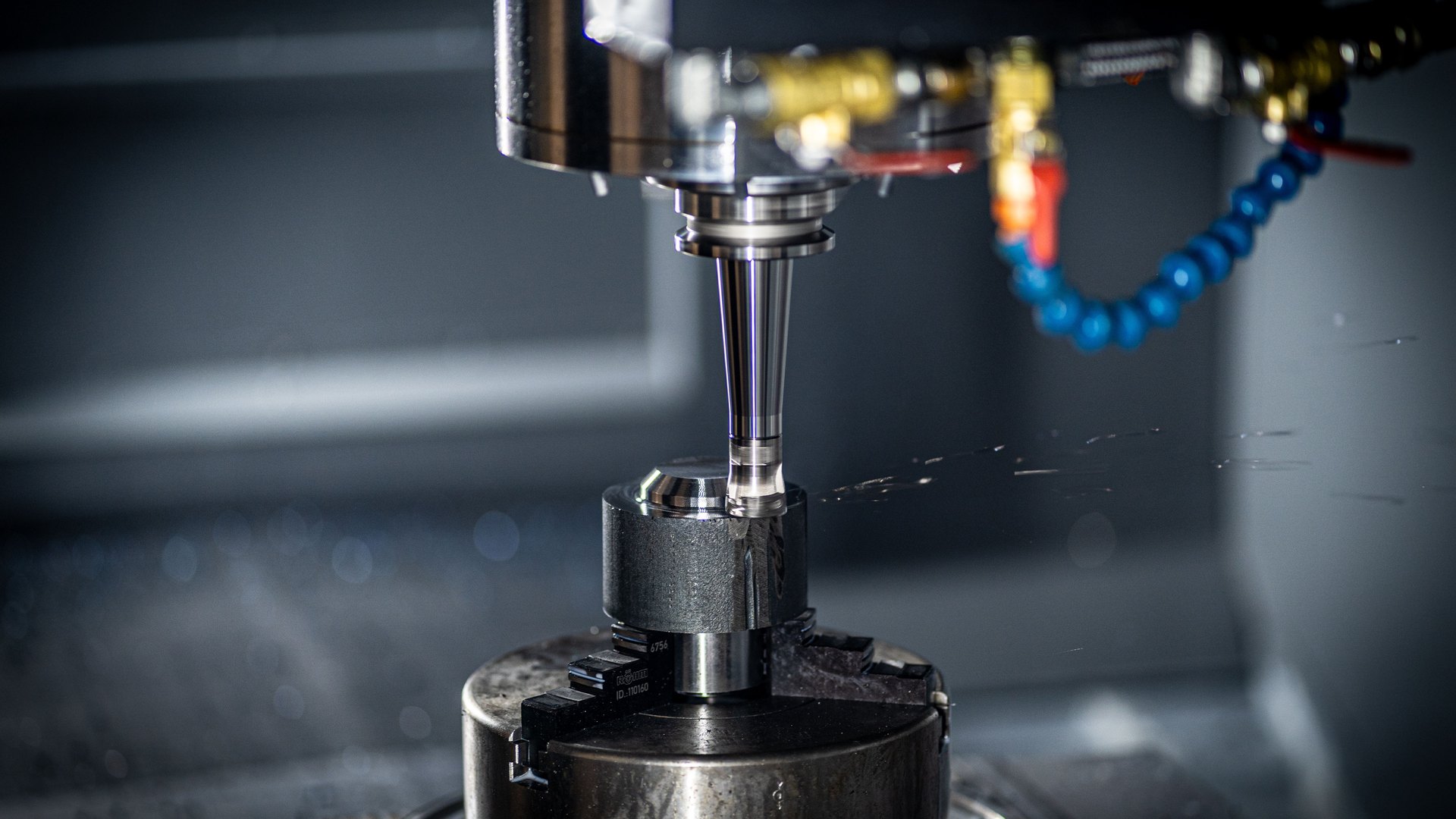
Toolholder runout can leave one flute doing most of the cut on a small end mill. How to measure TIR, judge it and trace the source.
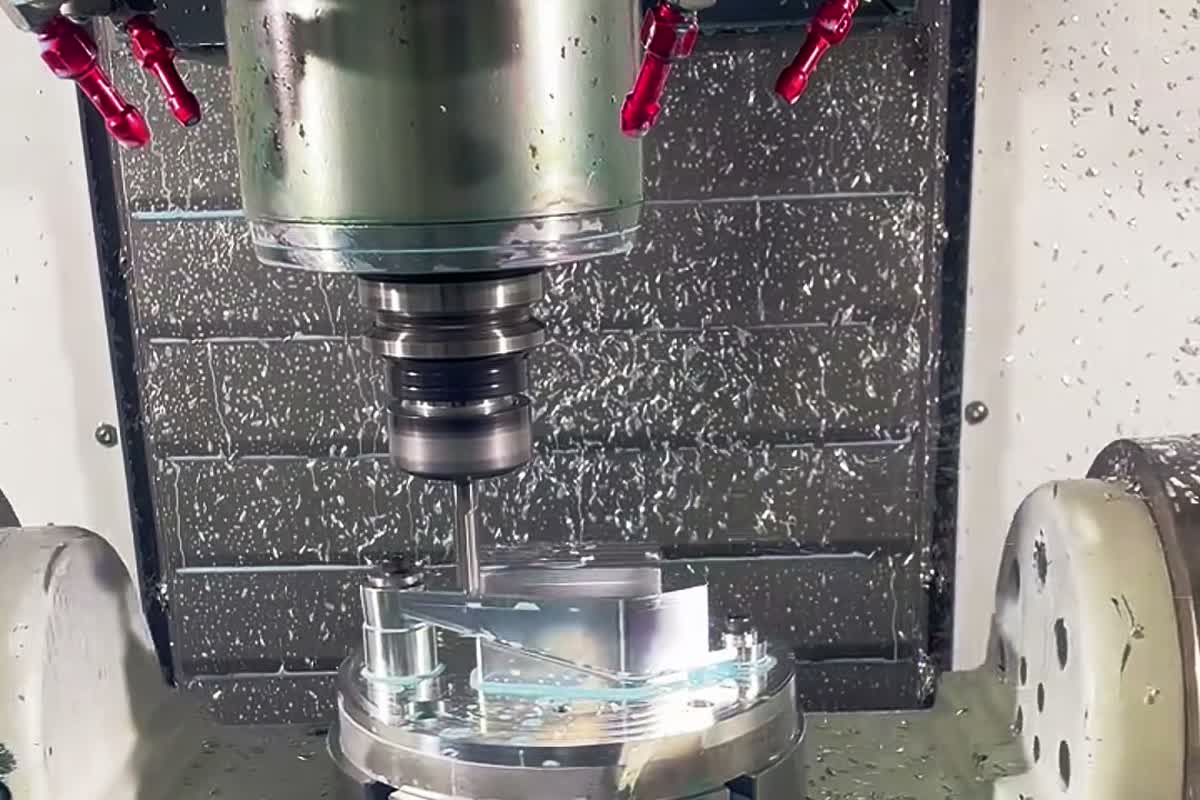
Compare through-spindle and flood coolant by access, chip evacuation, delivered flow and payback. Use a practical framework to decide when TSC is worthwhile.
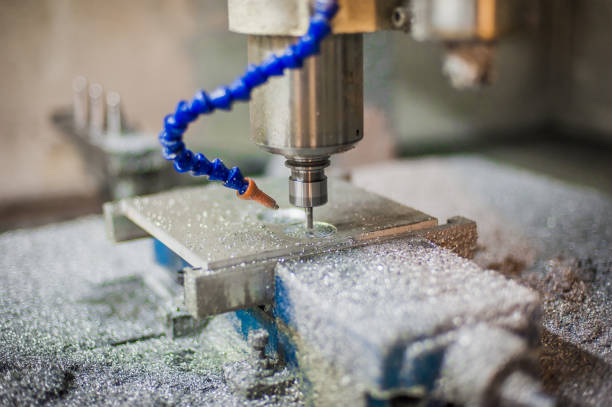
Resolving Dimensional Errors and Machining Inconsistencies In precision manufacturing, wood processing, and industrial engraving, equipment performance depends on strict dimensional accuracy and repeatability. A common…
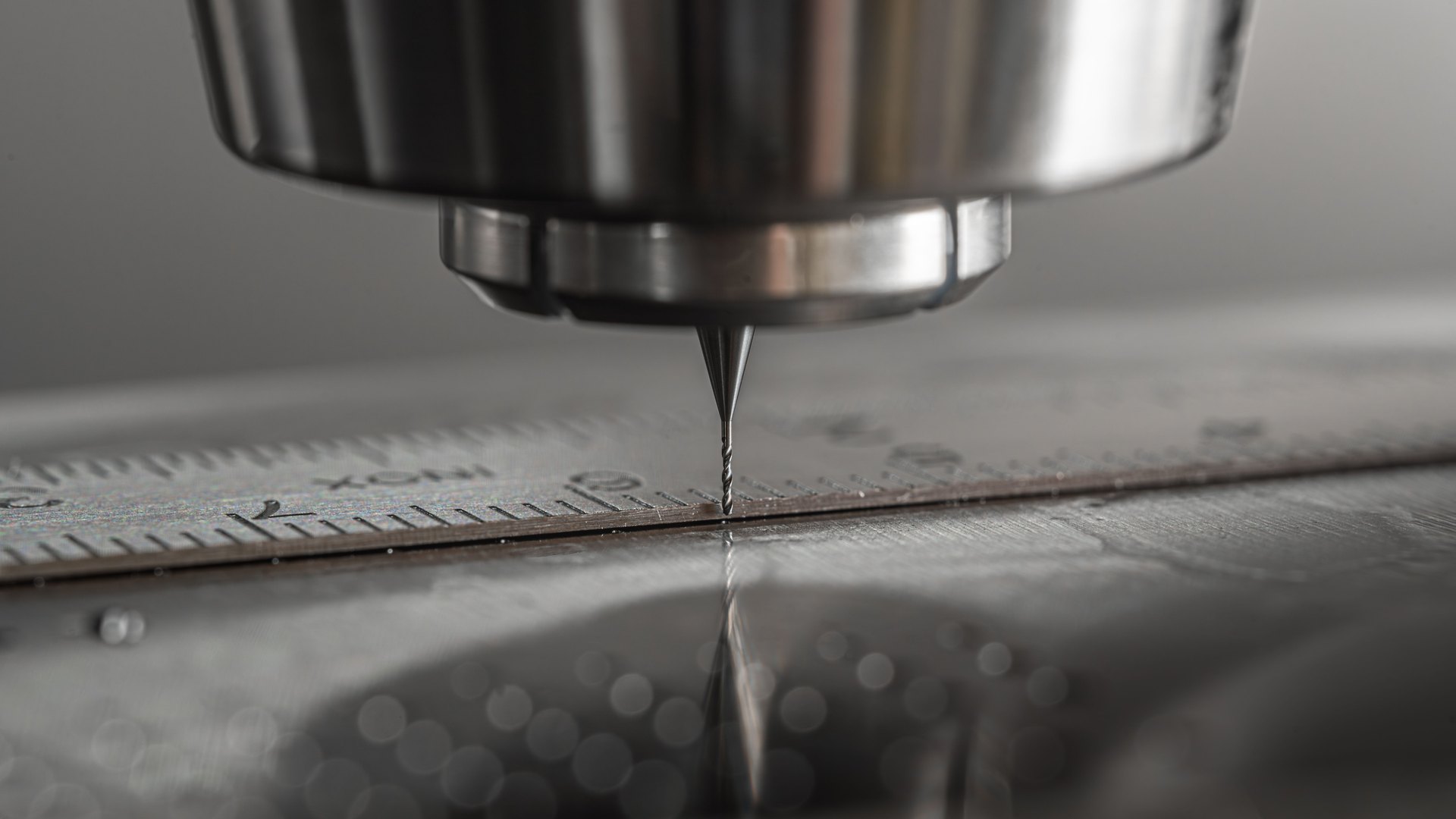
Melted acrylic, burrs in aluminum, chipped tips on steel: how to tell a cutter that doesn’t suit the material from runout, low chip load or slow corners.
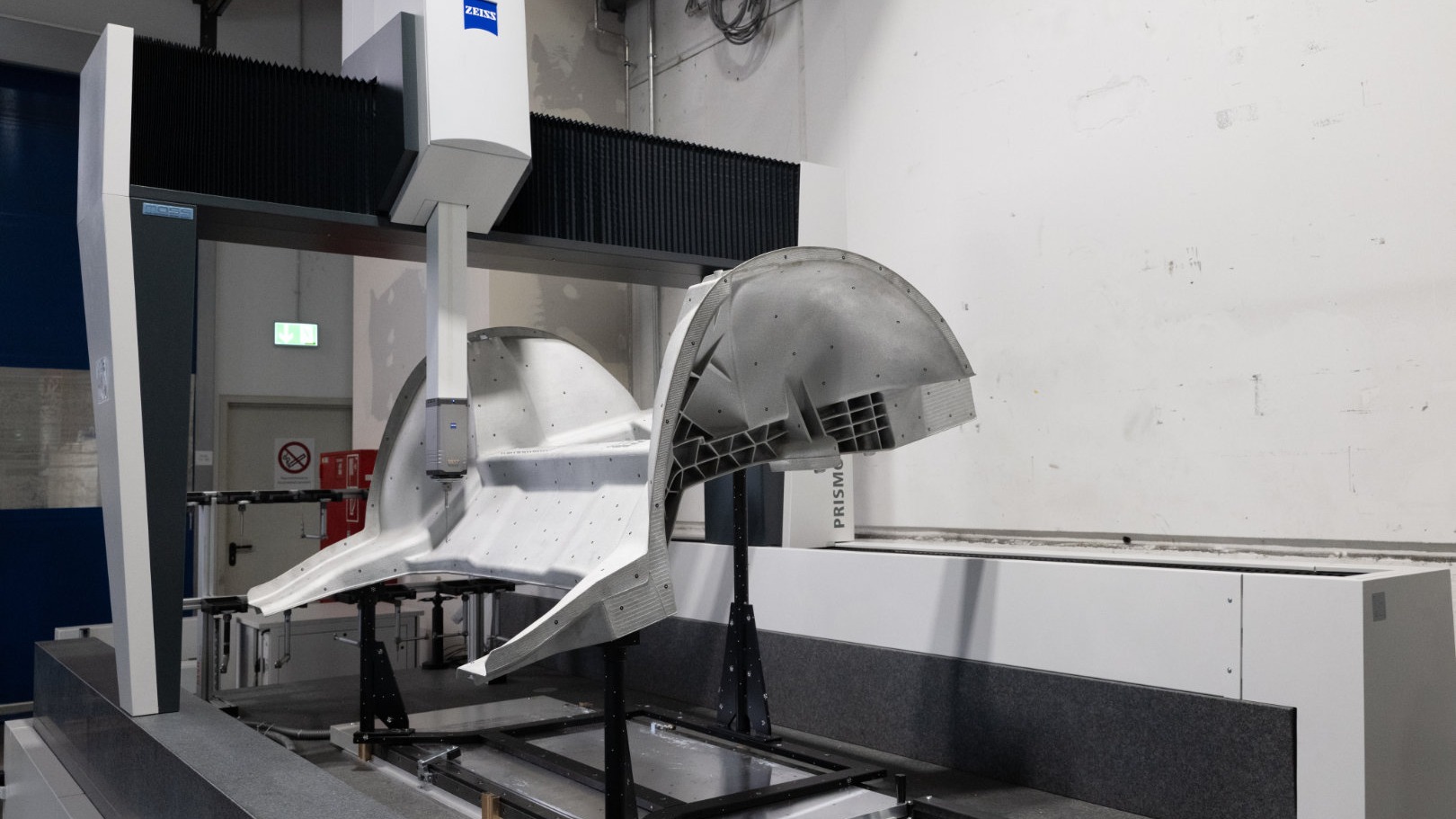
A megacasting still needs machined bores, pads and bonding faces. How to locate it, what envelope and spindle it needs, and where these jobs go wrong.

Official MedTech growth data is only the first signal. Use a five-level evidence ladder to test whether a real precision-machining opportunity exists.
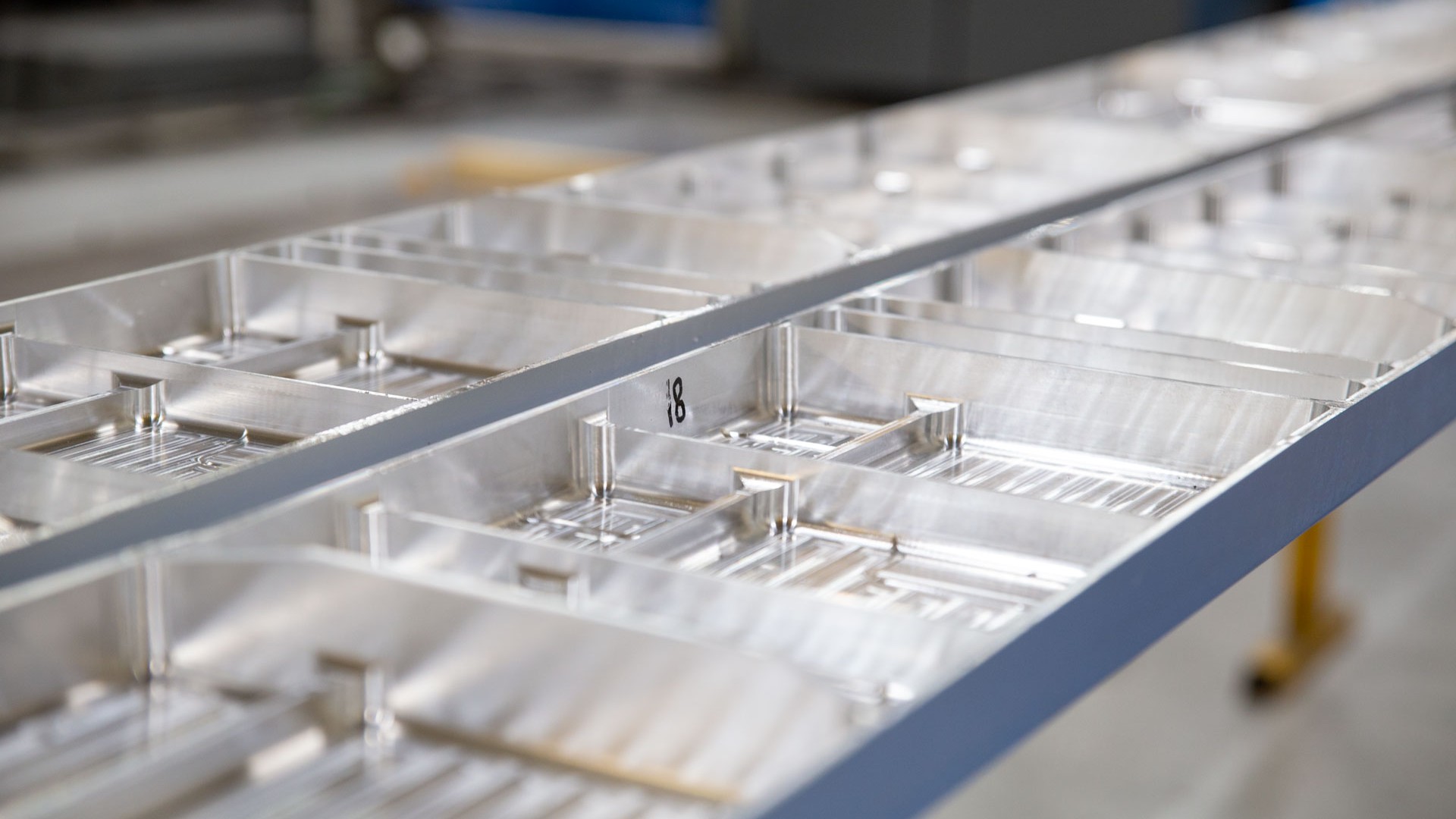
An aluminum rib that’s flat in the fixture and bows once released. How to tell blank stress, clamping, heat and cutting apart, and what to change.