25 Years of Excellence: China’s CNC Machinery Pioneer Expands Global Reach
Founded in 1998, one of China’s earliest manufacturers of metal and mold processing equipment has grown into a global supplier of CNC machining centers, CNC...

 12Jun
12Jun
 12Jun
12Jun
 12Jun
12Jun
 12Jun
12Jun
 31Oct
31Oct
 31Oct
31Oct
 06Nov
06Nov
 06Nov
06Nov
 14Nov
14Nov
 14Nov
14Nov
 20Nov
20Nov
 20Nov
20Nov
 25Nov
25Nov
 25Nov
25Nov
 03Dec
03Dec
 03Dec
03Dec
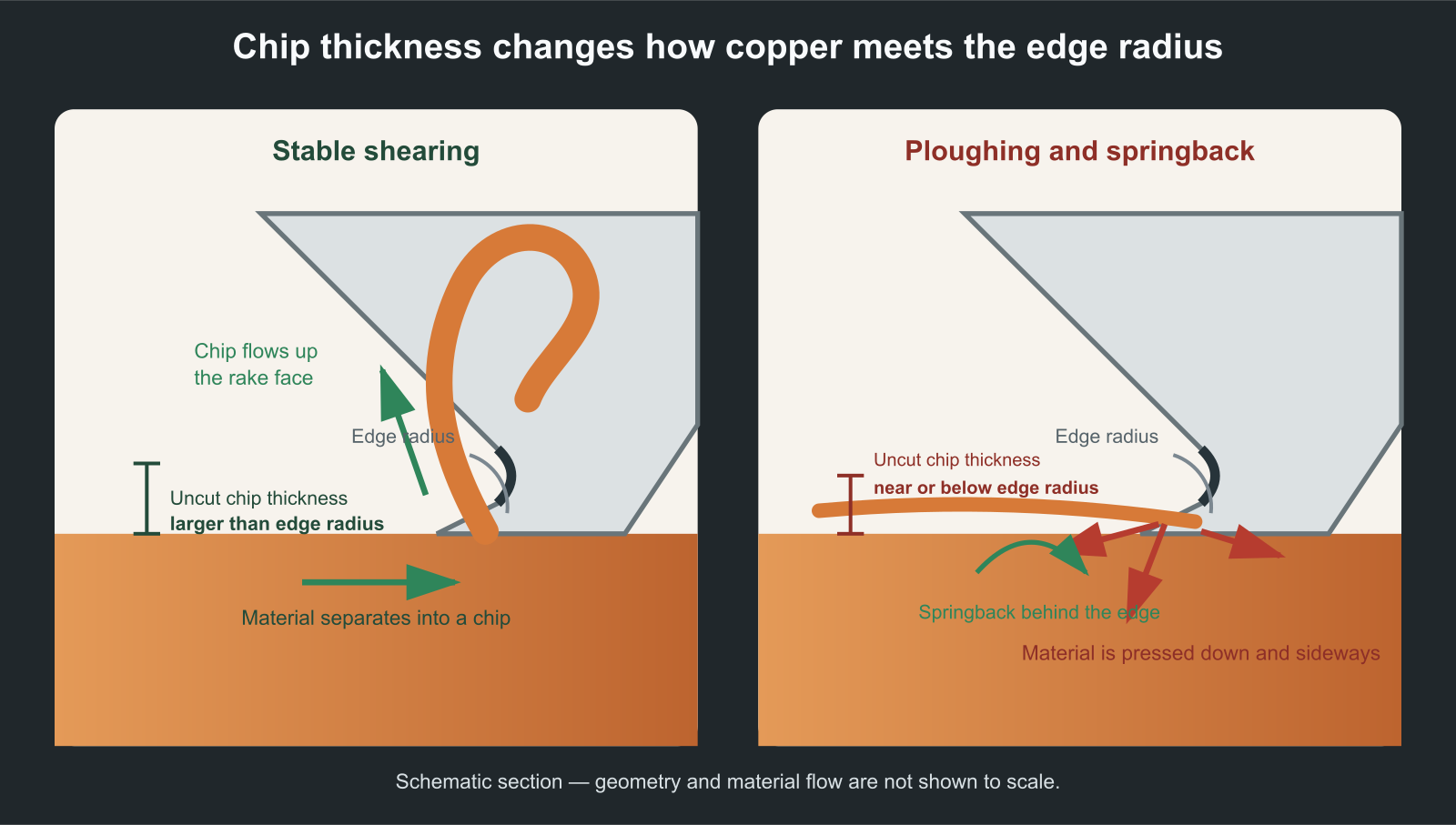
Understand why pure copper smears, forms built-up edge and leaves burrs during CNC milling, then diagnose the tool, chip and exit condition.
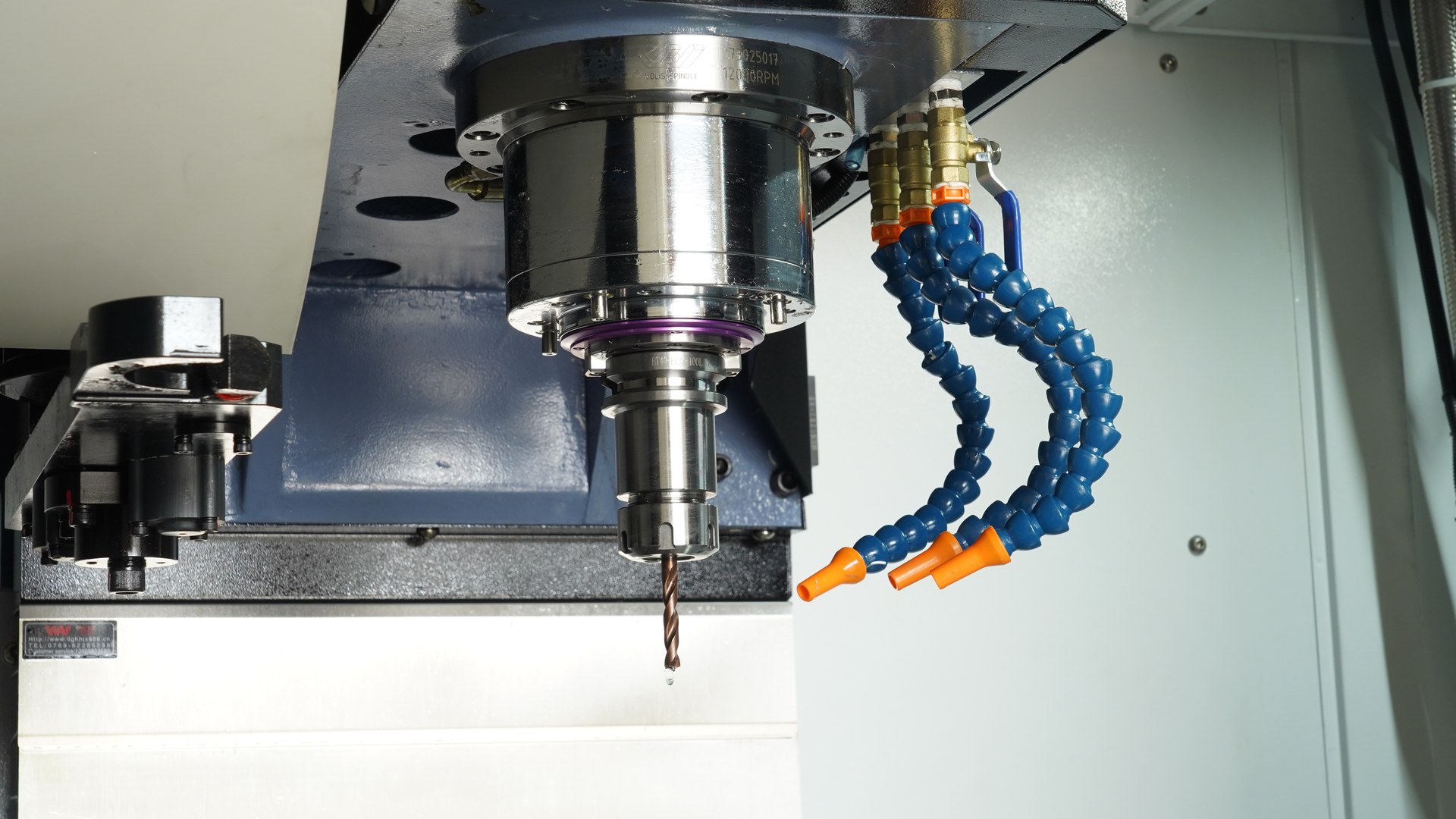
A reamer follows the hole it’s given; a boring bar cuts where the spindle takes it. When to ream, when to bore, and when to do both.
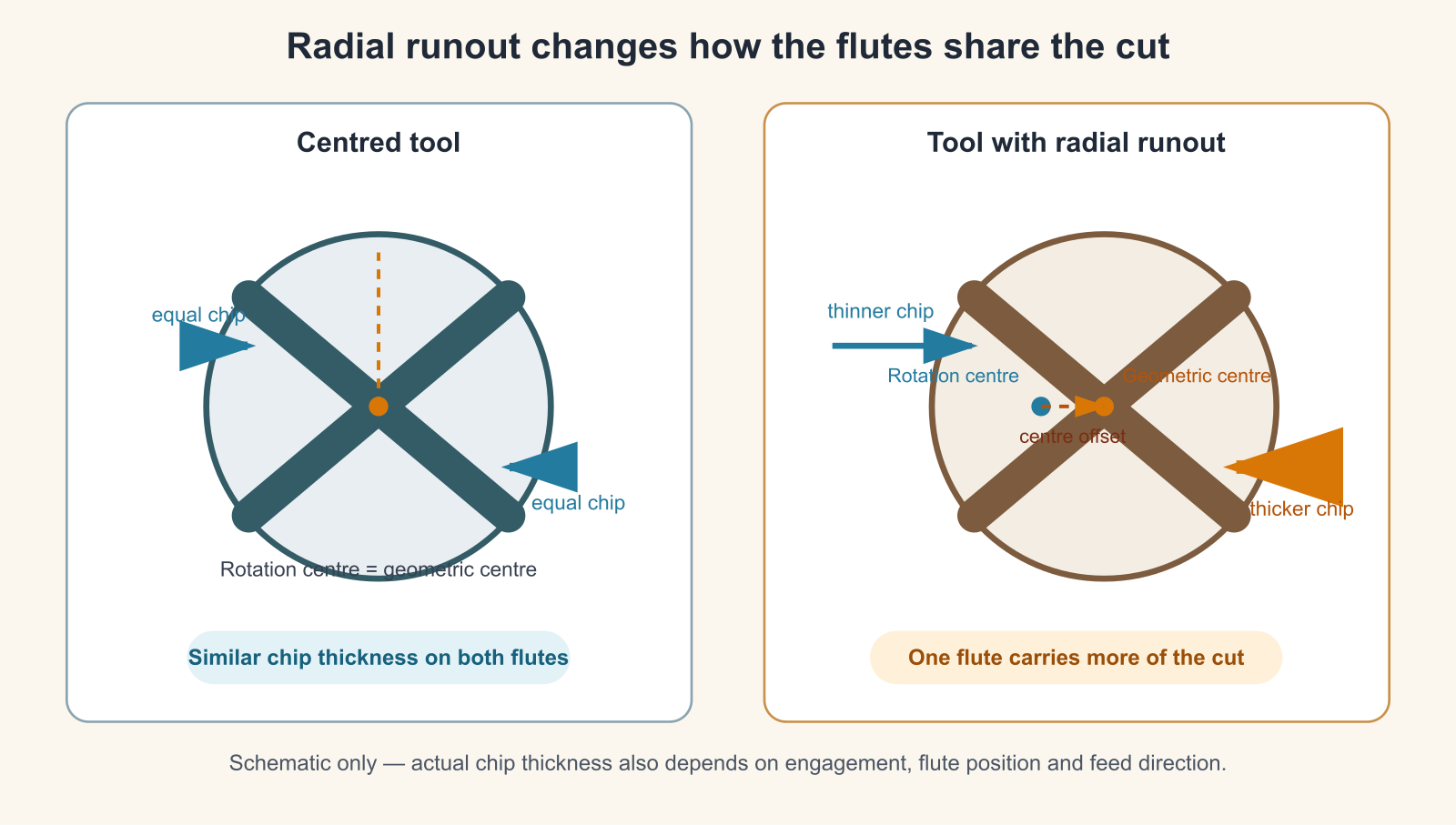
Learn how toolholder runout affects small end mills, where to measure TIR, and how to separate spindle, holder, collet and tool errors.
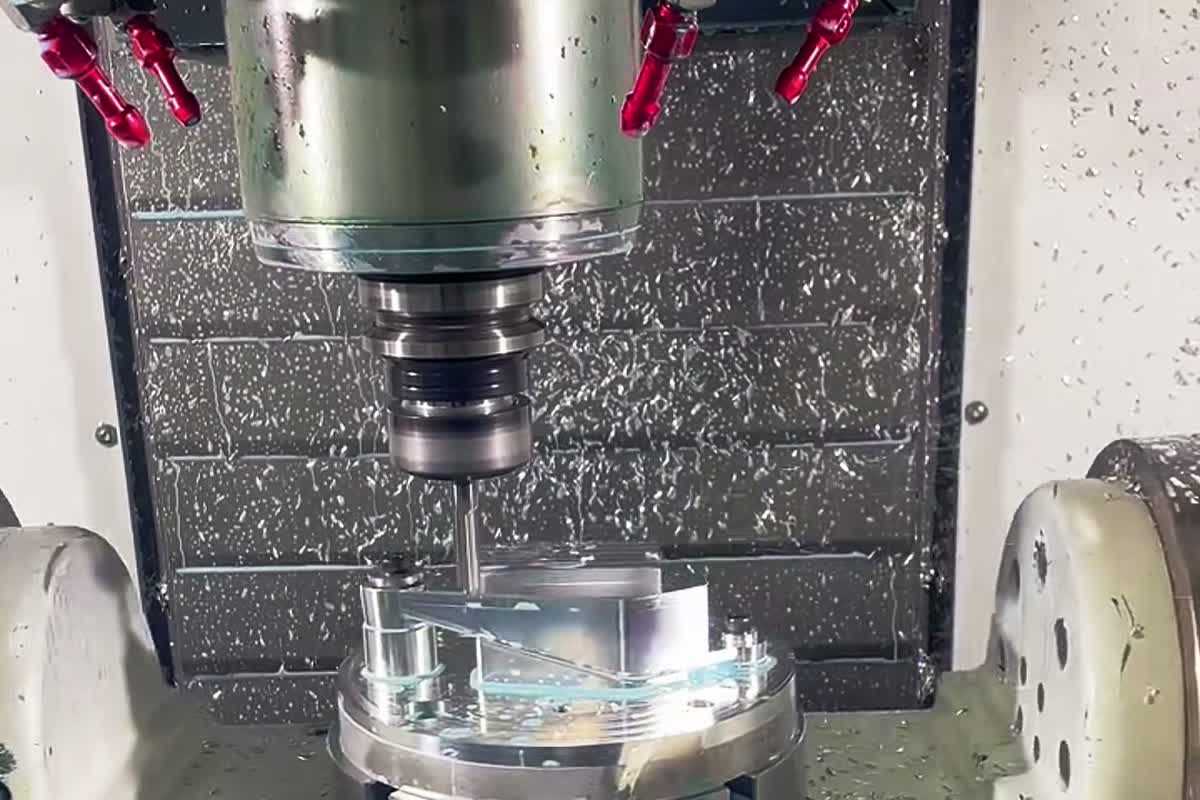
Compare through-spindle and flood coolant by access, chip evacuation, delivered flow and payback. Use a practical framework to decide when TSC is worthwhile.
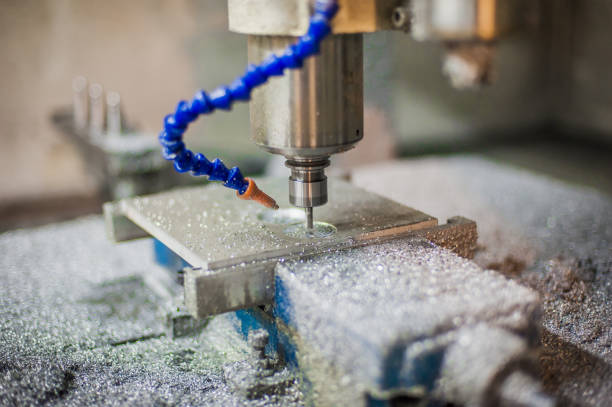
Resolving Dimensional Errors and Machining Inconsistencies In precision manufacturing, wood processing, and industrial engraving, equipment performance depends on strict dimensional accuracy and repeatability. A common…
CNC Engraving Cutting Tool Geometry: A Precision Selection Guide In high-precision CNC engraving and micro-milling, tool geometry directly affects cutting quality, tool life, and machining…
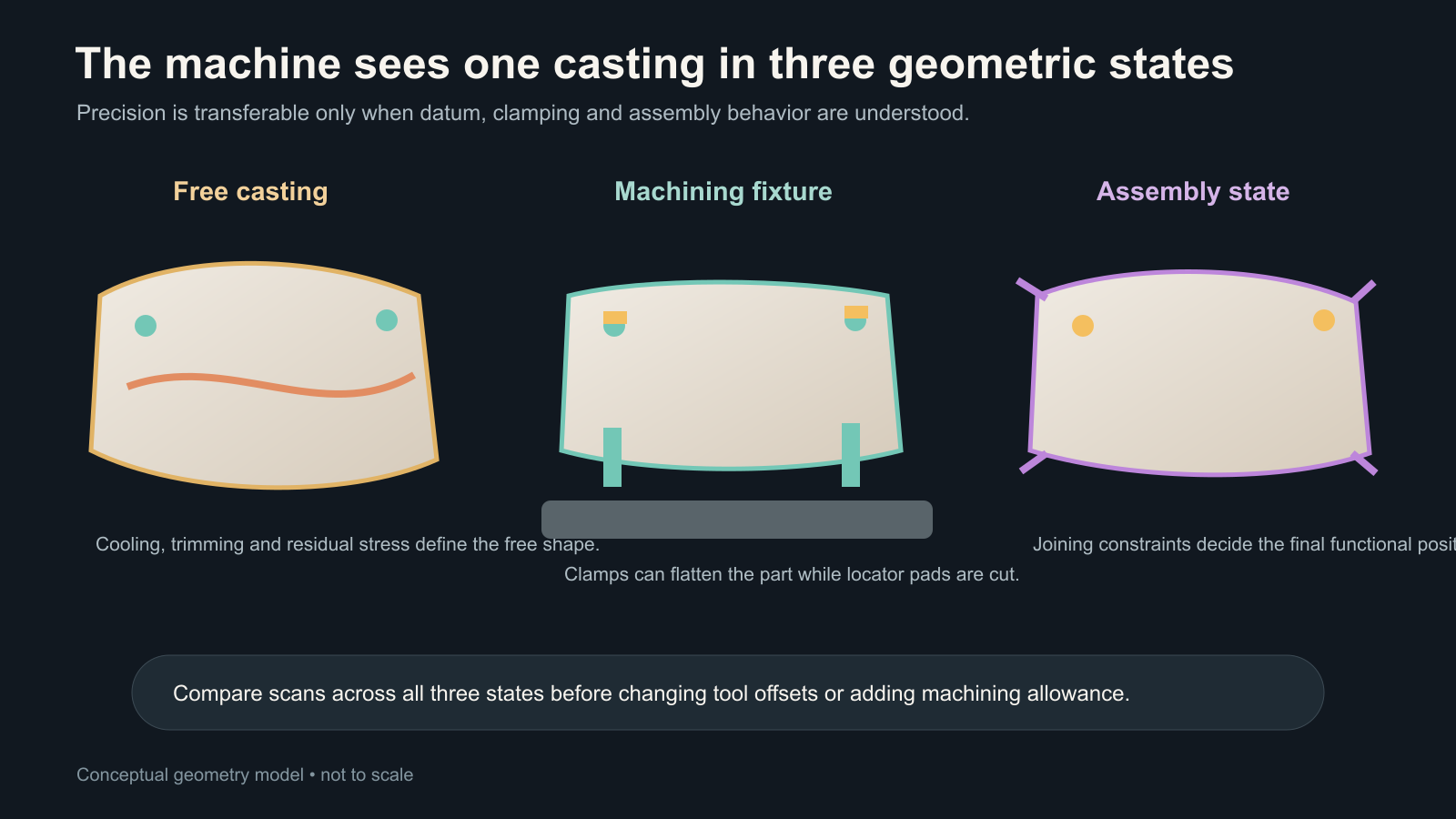
Megacasting shifts machining toward selective datum and interface control. Compare free, fixture and assembly states before compensating.
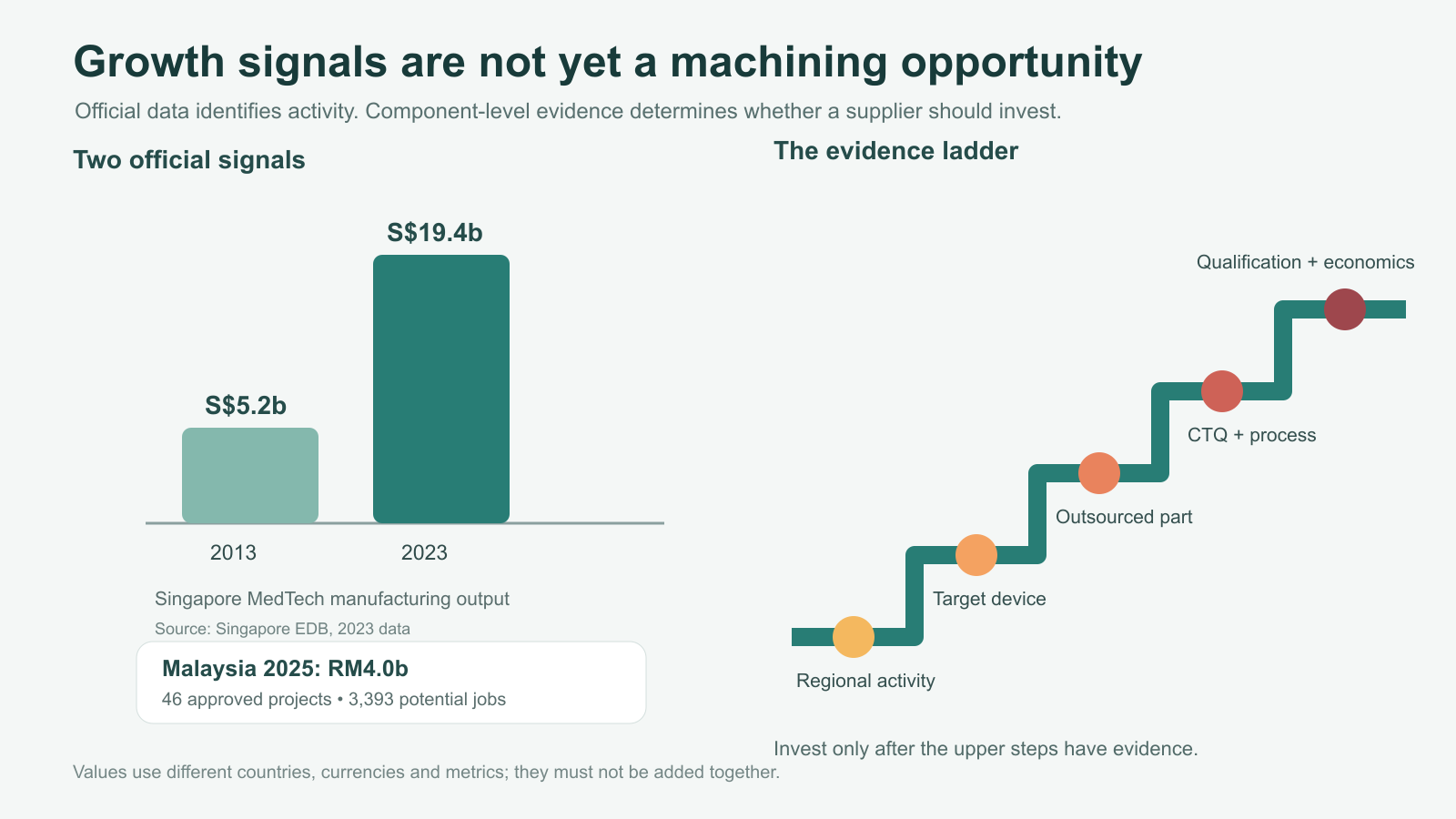
Official MedTech growth data is only the first signal. Use a five-level evidence ladder to test whether a real precision-machining opportunity exists.
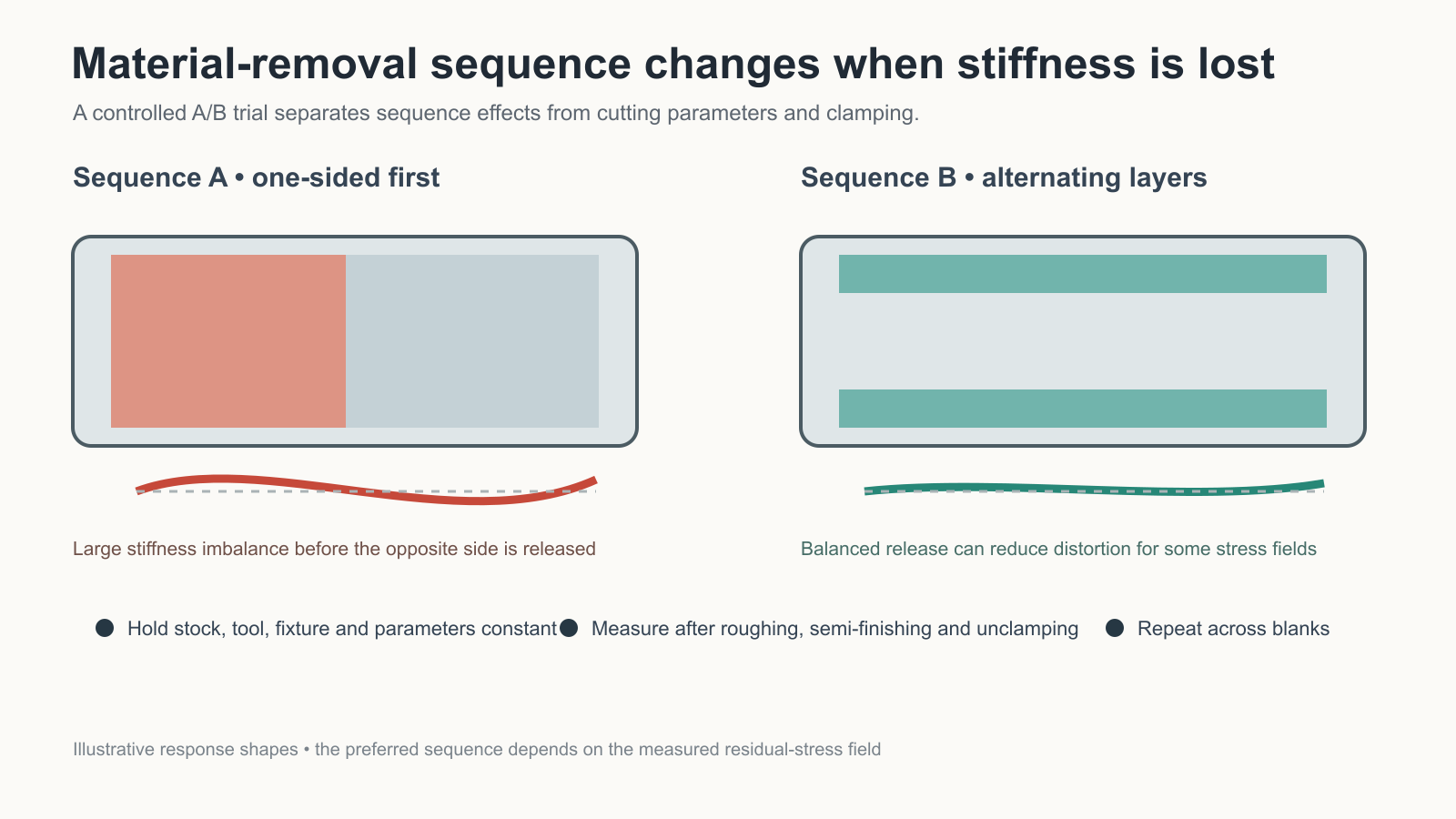
A practical method to separate blank stress, machining stress, clamping and thermal effects when removal sequence changes aerospace rib distortion.
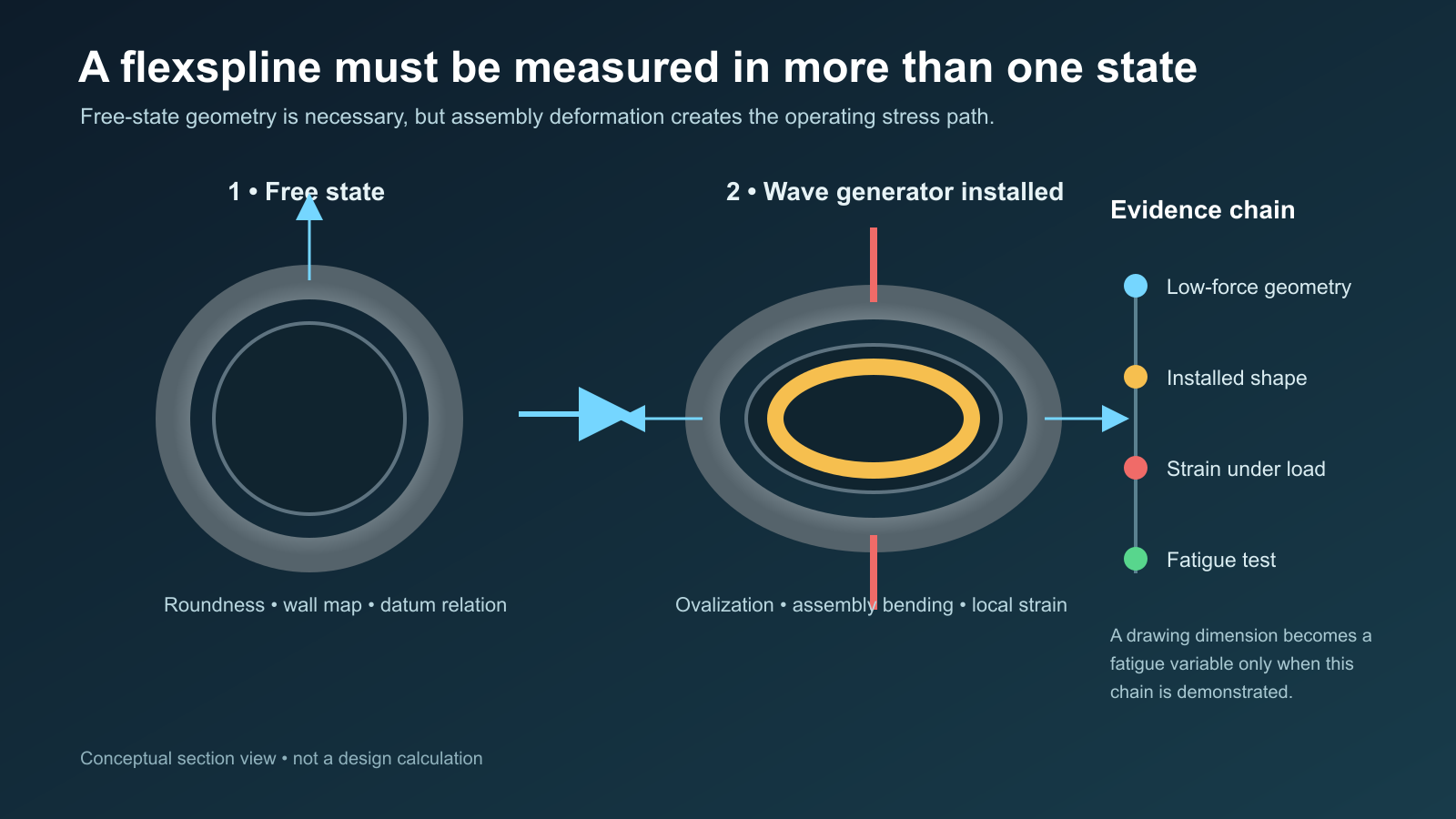
Learn how flexspline wall thickness, transition geometry, rim form and datum errors can influence installed strain—and how to test the evidence chain.